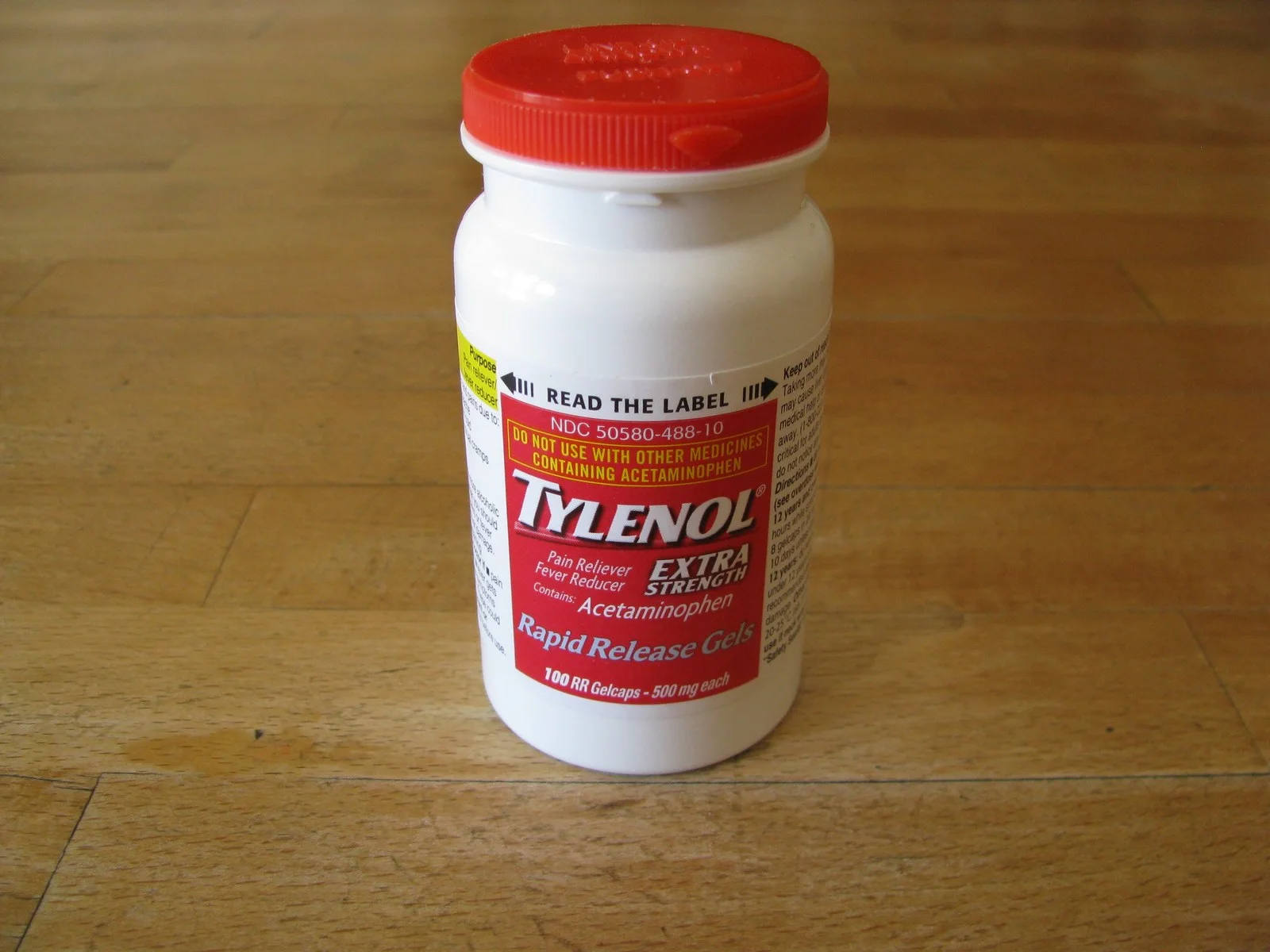
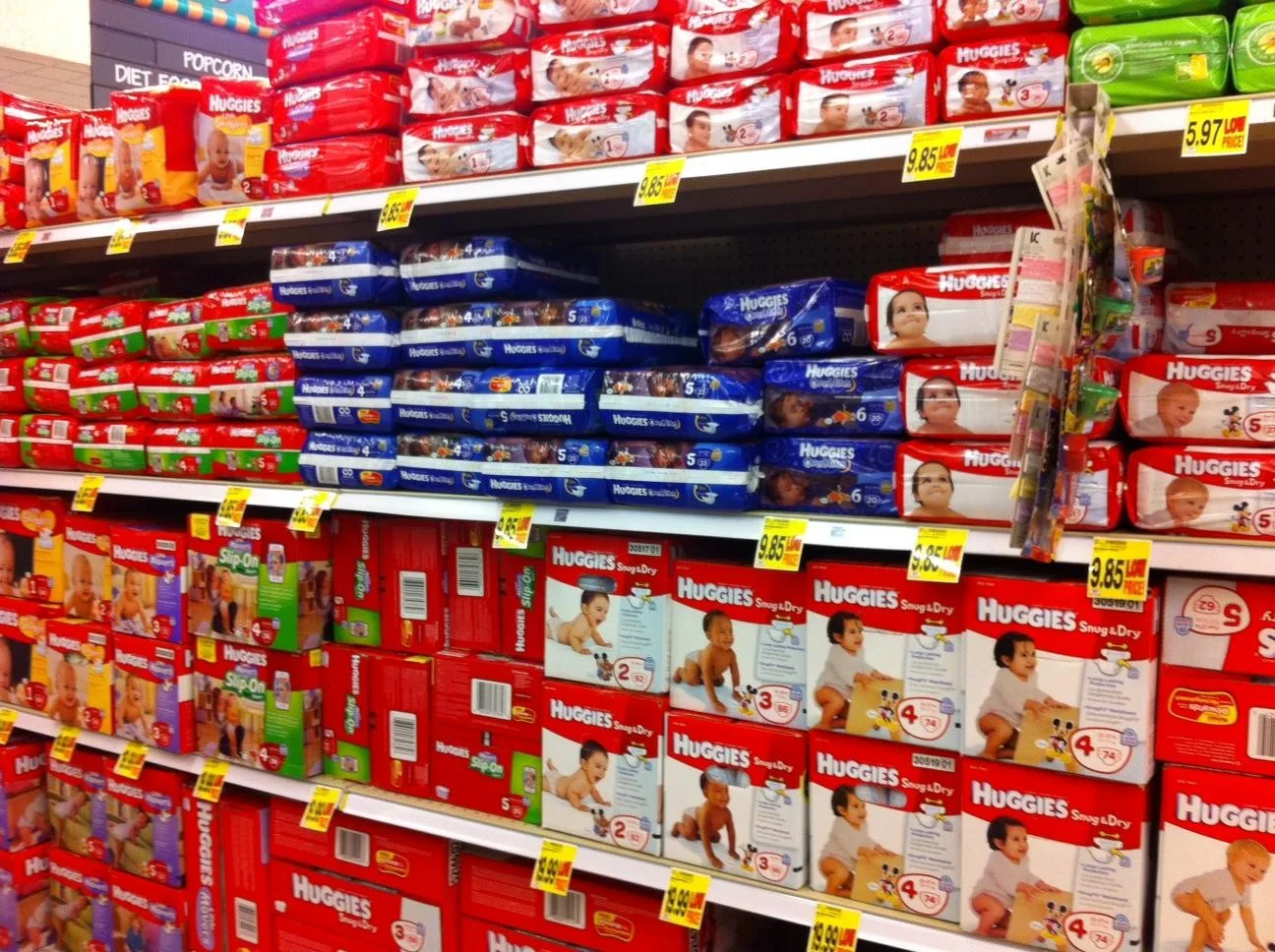
Tylenol and Huggies now come from the same company. Kimberly-Clark said Monday it has completed its acquisition of Kenvue, adding brands such as Tylenol, Listerine, Neutrogena and Johnson's Baby to a lineup that already included Huggies, Kleenex, Cottonelle, Depend, Kotex and Scott. Kimberly-Clark counts 10 brands in the combined portfolio that each sell more than $1 billion a year.
Kenvue stock stopped trading on the New York Stock Exchange when the market opened Monday. Each Kenvue share was converted into $3.50 in cash plus 0.14625 of a Kimberly-Clark share, so former Kenvue holders now own Kimberly-Clark stock, which trades on Nasdaq under KMB, along with the cash.
Kenvue is also leaving the S&P 500. S&P Dow Jones Indices said Oct. 30 that the identity-security company Okta will take Kenvue's place in the S&P 500 before trading opens Wednesday, Nov. 4.
What the merger costs, and where the savings come from
Kimberly-Clark is promising about $2.1 billion a year in savings and extra profit once the two companies are fully combined. Most of it, about $1.9 billion, is cost cuts it expects within three years.
In the SEC filing, the company said its board approved an integration program on Oct. 30 that began Monday and runs through 2029, with about $3.1 billion in pre-tax charges. Roughly $800 million in cash goes to reworking the supply chain network, about $600 million to merging computer systems and technology, and about $400 million to what the filing calls "workforce optimization." It gives no job count. Kimberly-Clark also expects about $1.4 billion in capital spending for the program.
Nothing in Monday's release or filing mentions new prices or changes to the products themselves.
Who runs it
Mike Hsu stays chairman and chief executive. Three former Kenvue directors, Richard Allison Jr., Larry Merlo and Kirk Perry, joined Kimberly-Clark's board, which now has 13 members, while Mae Jemison, Christa Quarles and Jaime Ramirez stepped down from it.
The company will report four business segments, mostly by region. North America is by far the largest, with about $18 billion in combined annual sales based on the two companies' 2025 results.