
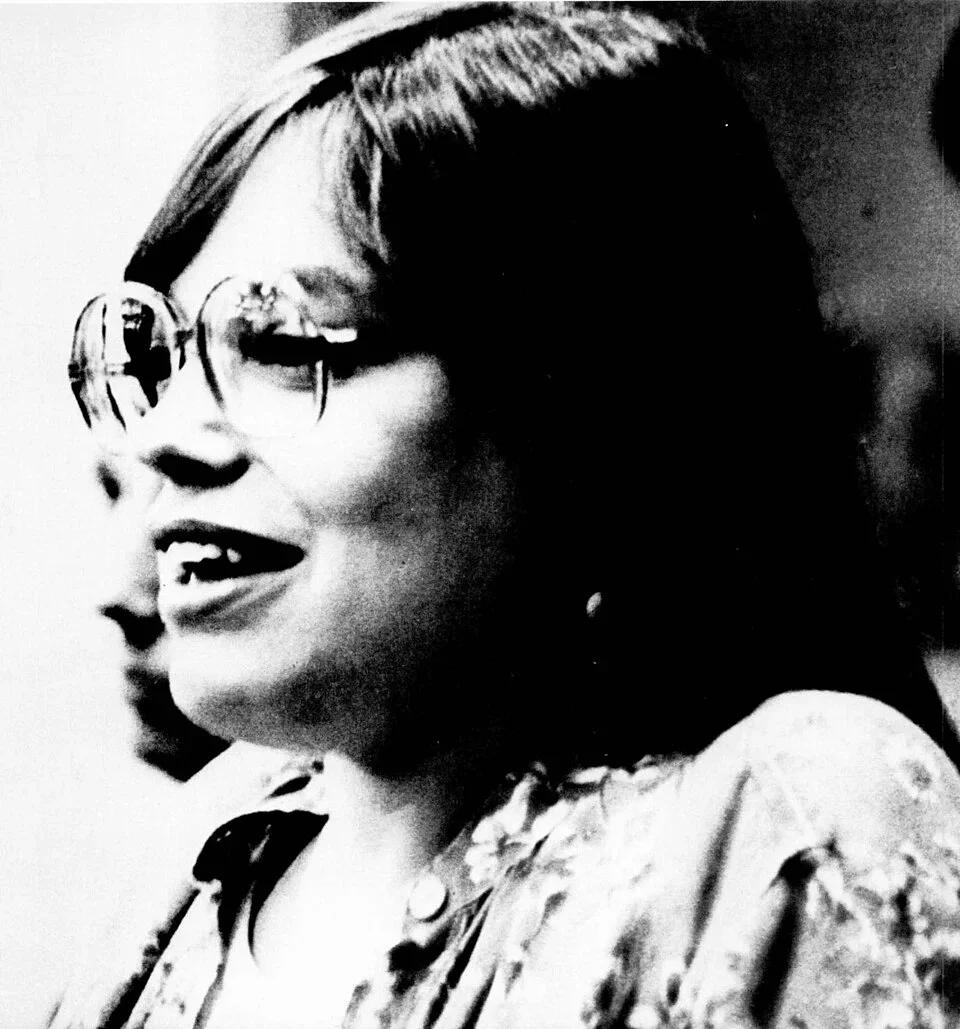
On April 7, 1977, two days into a disability rights sit-in at San Francisco's federal building, officials restricted the occupiers' access to phones. According to the Paul K. Longmore Institute on Disability's day-by-day account, only two pay phones remained available for outgoing calls. The people inside also faced a choice when they needed to leave for food, medicine or help at home. The government was barring people who left from coming back.
The protesters stayed. They had occupied the regional offices of the Department of Health, Education, and Welfare at 50 United Nations Plaza to force the government to put a four-year-old disability rights law into practice. About a month later, the Federal Register published the rules they had demanded. The San Francisco occupation lasted 26 days.
Judy Heumann was one of its organizers. Ruth Madeley plays her in Siân Heder's Being Heumann, which Apple says opens in select theaters Nov. 6 and arrives on Apple TV Nov. 13. The campaign behind the film stretched across the country. In San Francisco, staying put long enough to win meant finding ways for people with different disabilities to live together in an office that had never been built for them.
Congress had passed the law four years earlier
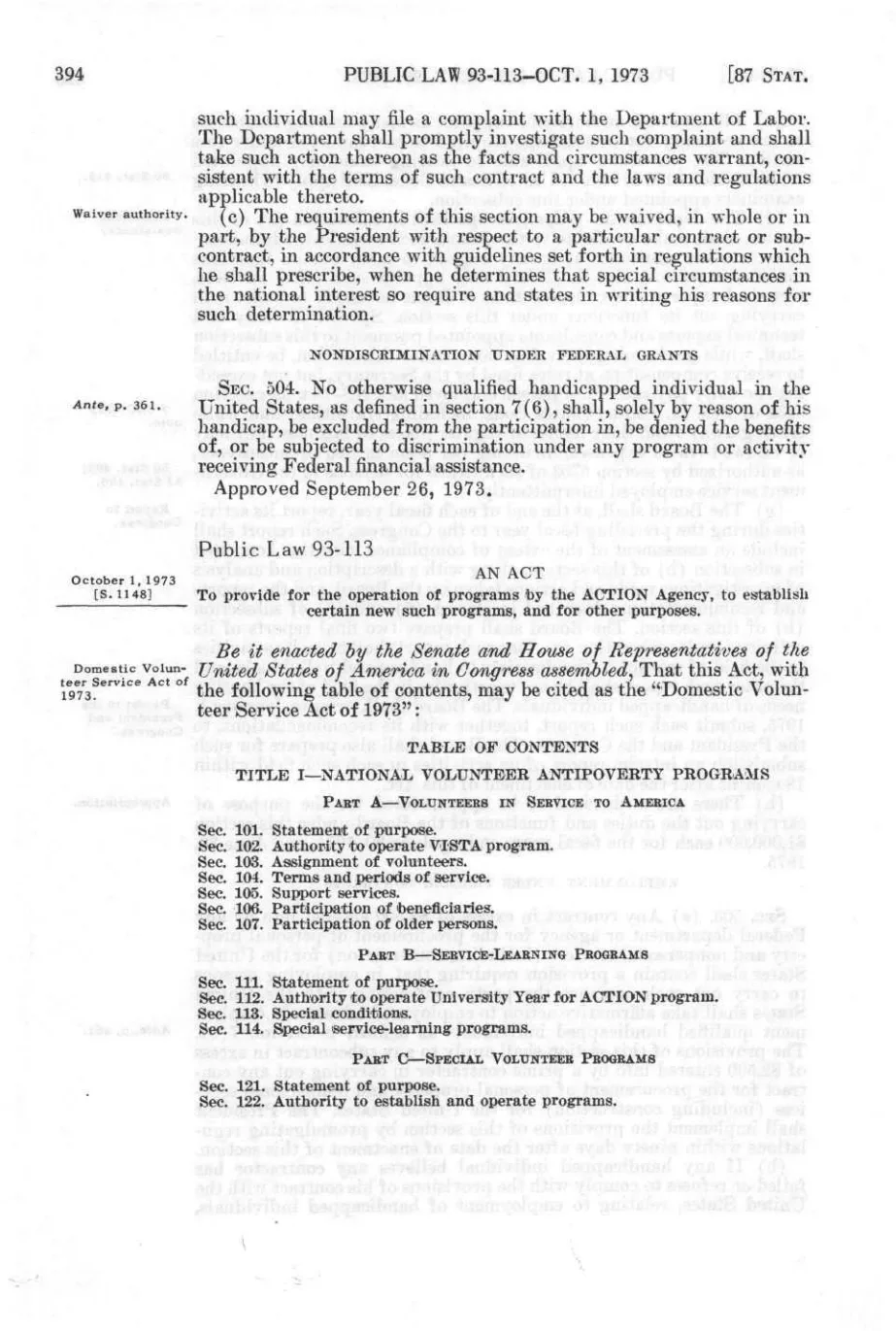
Section 504 was the last section of the Rehabilitation Act that President Richard Nixon signed in September 1973. It prohibited programs receiving federal financial assistance from excluding or discriminating against an otherwise qualified person because of a disability. The original statute devoted a single paragraph to that protection. Congress had set out who had the right to participate. Schools, hospitals and other recipients still needed rules spelling out what they had to do.
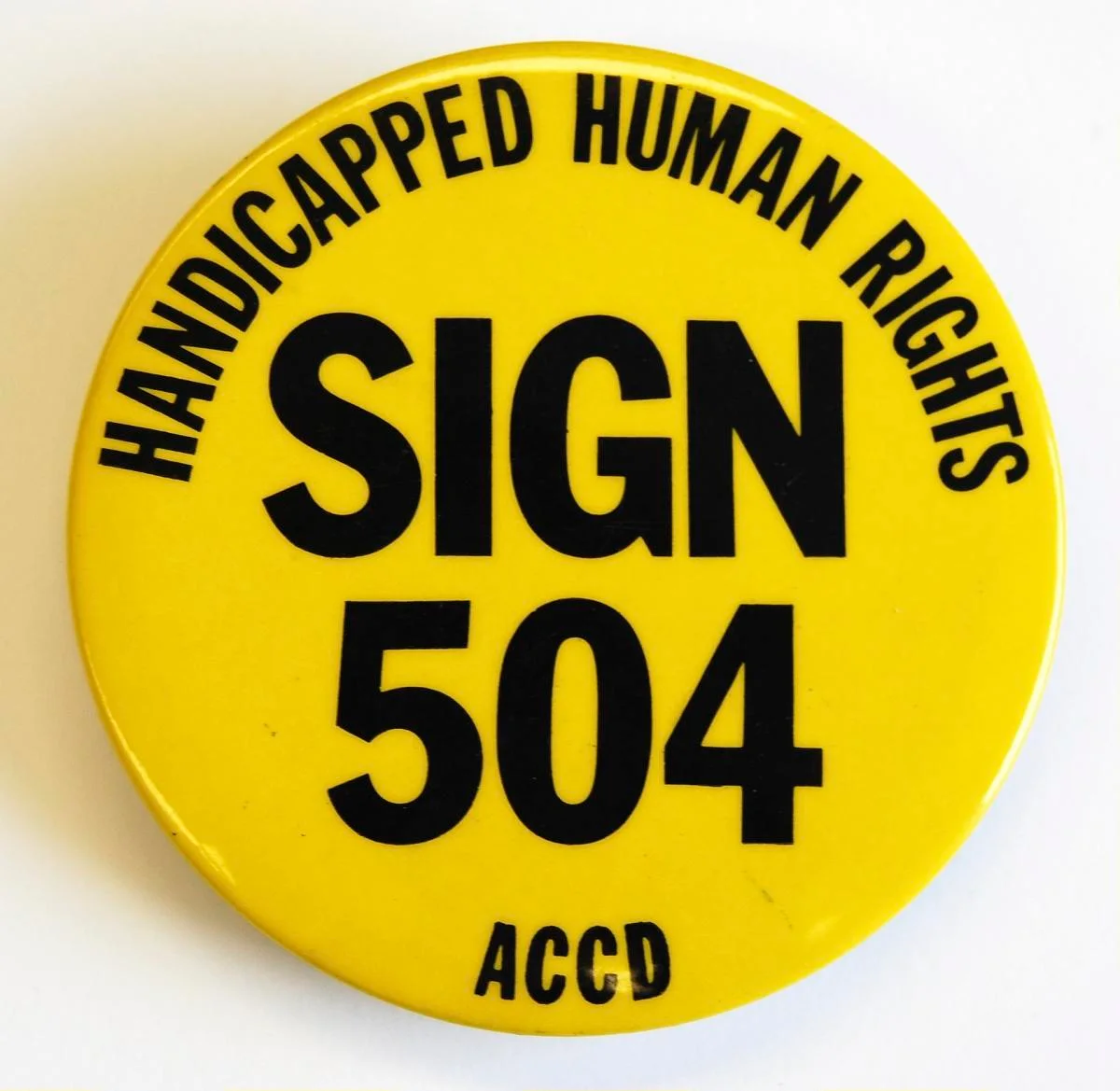
Federal officials drew up regulations during Gerald Ford's administration, but they went unpublished. Schools and hospitals raised concerns about the cost of complying. When Jimmy Carter took office in 1977, the decision fell to Joseph Califano, his new secretary of Health, Education, and Welfare. The National Park Service's account describes how the American Coalition of Citizens with Disabilities pressed Califano to sign the regulations without weakening them and set an April 4 deadline. A yellow button in the Smithsonian collection carries the coalition's demand in two words: “Sign 504.”
The work of staying inside
Demonstrations began at federal offices across the country on April 5. In Washington, D.C., protesters occupied offices overnight but left the next day amid difficulties getting food and medicine. In San Francisco, more than 100 people stayed the first night, according to the Longmore Institute's timeline. The local occupation lasted long enough to require its own arrangements for sleeping, hygiene, medical care and contact with the outside.
There was no kitchen. Some protesters slept on the floor. People needed different kinds of assistance, and the occupiers formed committees to organize it. Heumann helped see that people got what they needed. Kitty Cone took on logistics. Dennis Billups, who had come at his sister's urging, helped keep people working together when disputes broke out, the National Park Service recounts.
Much of what made the occupation possible came through the doors from outside. The Delancey Street Foundation brought food, and the Salvation Army supplied blankets and mattresses, according to the Longmore Institute. The local Black Panther Party brought a hot meal each day and supplies for two more. The connection ran through organizers including Brad Lomax, a Black Panther and wheelchair user who took part in the protest. The Smithsonian's Heumann Papers identify him among the people in the photographs of the sit-in.
Some occupiers went on a hunger strike. Others needed to keep eating or taking medication to stay inside. Committees and outside supporters made it possible for people to take different risks while pursuing the same demand. In other cities, where the occupations had already ended, sustaining that kind of support had proved harder.
On April 16, people inside the building got a chance to put their own experiences on the record. The Longmore Institute's photographic exhibit identifies Dick Santos and Ed Roberts among those who testified at a hearing held inside the occupied offices. Disabled people had spent years asking officials to write regulations that would govern everyday decisions made by schools, hospitals and employers. For the hearing, officials and lawmakers had to come to the place where the protesters had set up the systems that made it possible for them to stay.
The campaign moved to Washington
As the occupation continued, organizers also had to get Califano's attention in Washington. A delegation traveled east while people remained inside the San Francisco building. In the National Park Service's account, the International Association of Machinists was one of the campaign's outside allies. In a photograph taken before the delegation left San Francisco, Heumann, Hale Zukas and Ron Washington face reporters at the airport. Lynette Taylor interprets in American Sign Language.
In Washington, the delegation carried the demand directly to federal officials. The Library of Congress preserves photographs of the demonstrators in Lafayette Park, across from the White House. The park demonstration and the occupation were part of the same campaign. People in San Francisco were still living in the offices the delegation had left behind.
Califano signed the regulations on April 28. The Smithsonian's account says he signed them unchanged. Protesters came out of the San Francisco building on April 30, according to the Longmore Institute chronology. The regulations appeared in the Federal Register on May 4.
What changed when the rule appeared
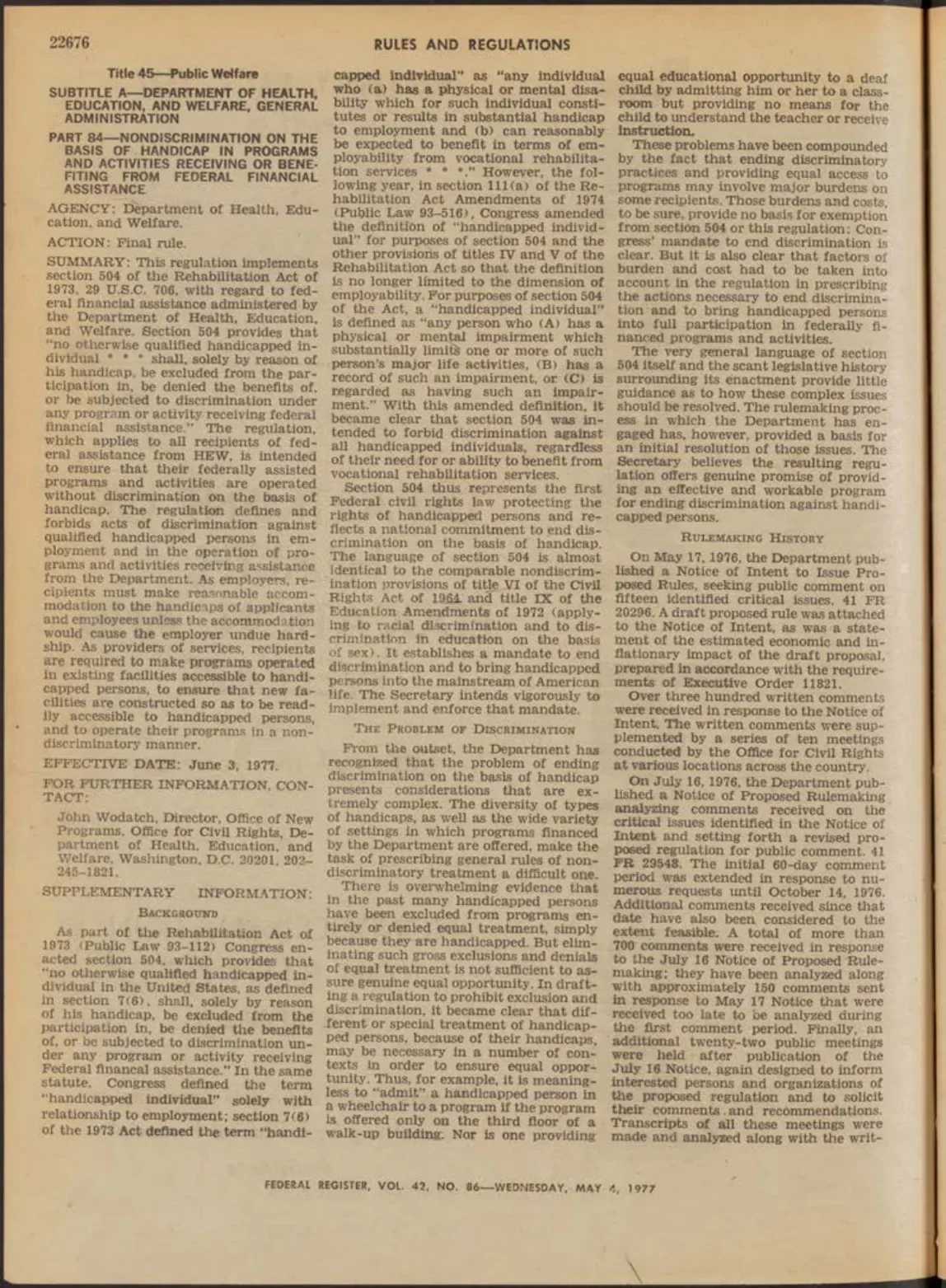
The published 1977 rule gives a sense of what was at stake in the months officials spent debating the language. Its provisions cover employment, accessibility, education and health and social services for recipients of the department's financial assistance. For an existing program, the rule called for access to the program as a whole. It gave institutions ways to provide that access without requiring every older building to be altered.
That distinction gave disabled people a standard against which to challenge the decisions of the institutions they used. Califano's signature appears in the printed rule, dated April 28, 1977. By the time readers could open the May 4 Federal Register and turn to page 22676, the protesters had left 50 United Nations Plaza.
The law that followed
The Rehabilitation Act's protections continued to develop, and the Americans with Disabilities Act of 1990 reached additional areas, including many businesses open to the public. The Justice Department's history of its ADA regulation still points back to the health and welfare department's 1977 rule.
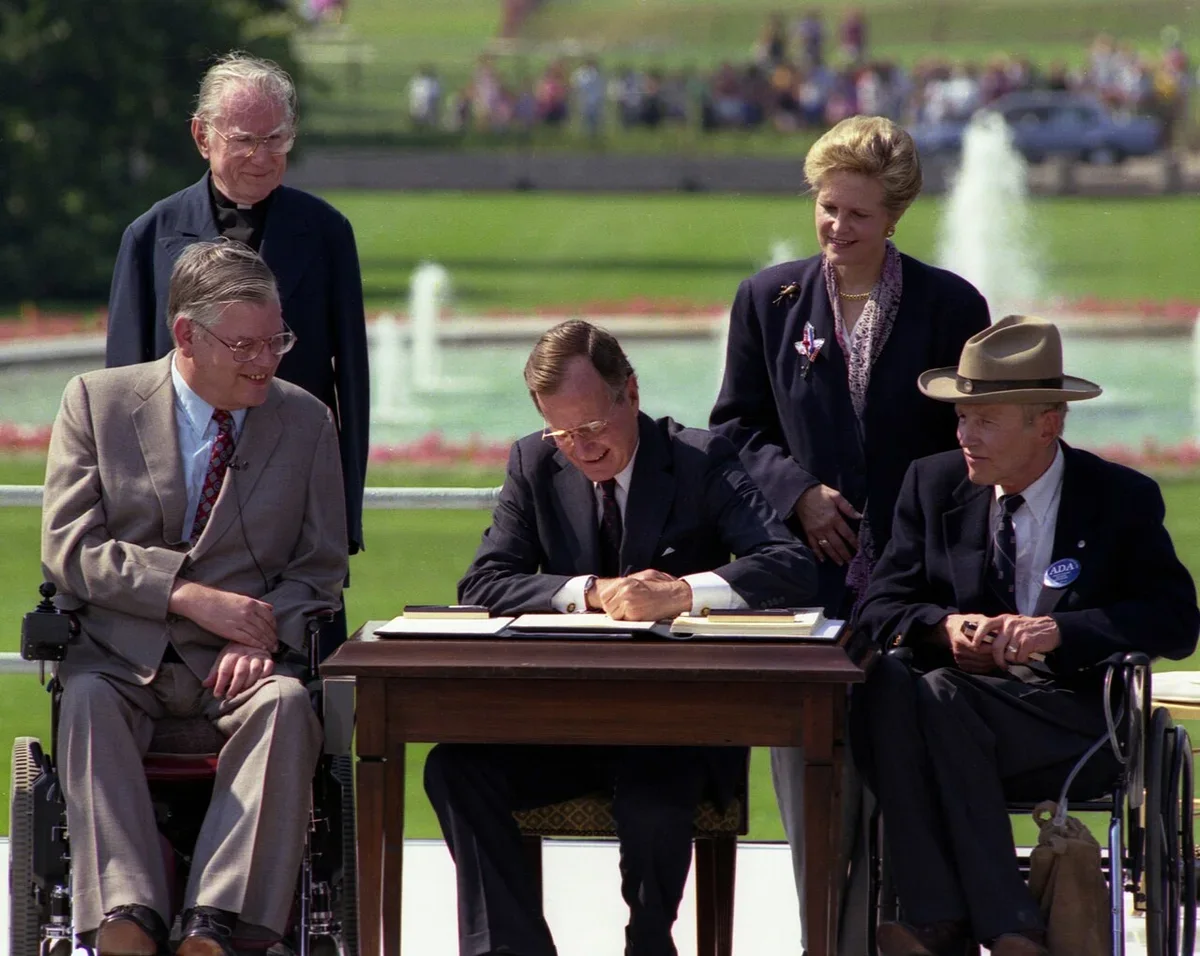
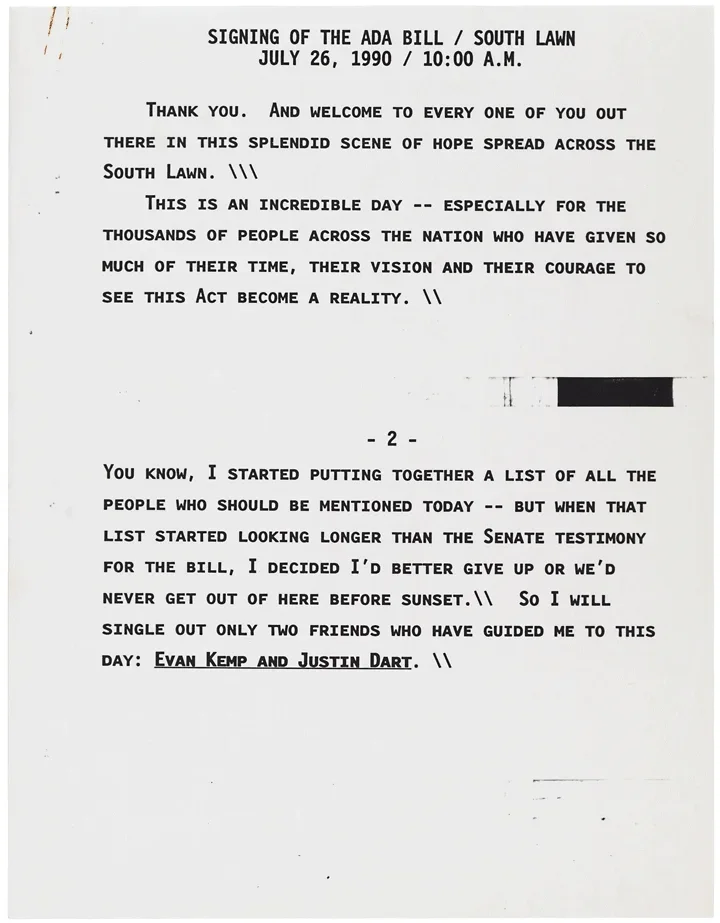
President George H. W. Bush signed the ADA at the White House on July 26, 1990. Among those beside him were Justin Dart Jr. and Equal Employment Opportunity Commission Chair Evan Kemp. The White House photograph records a public ceremony. Thirteen years earlier, the documents that the San Francisco protesters had spent most of April trying to get signed had gone out to the public in small print in the Federal Register.