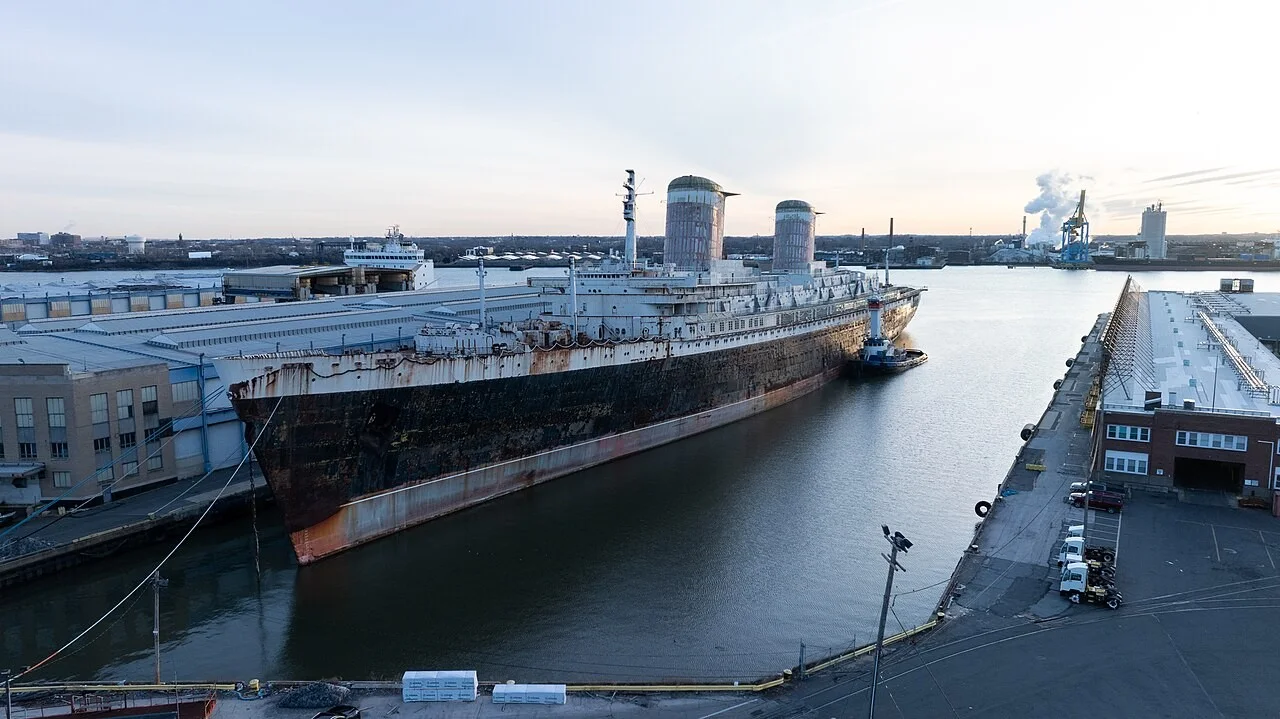
The SS United States, the ocean liner that still holds the record for the fastest Atlantic crossing by a passenger ship, is scheduled to go to the bottom of the Gulf of Mexico on Thursday, Nov. 12. Okaloosa County, Florida, plans to sink the 990-foot ship about 22 nautical miles southwest of Destin-Fort Walton Beach to create an artificial reef, WUWF reported after the county set the date.
The plan depends on the weather. Crews are set to start operations at 10 a.m. Central, which is 8 a.m. Pacific, and the county has not said when the ship is expected to slip under.
Okaloosa County is holding two public events. A sendoff ceremony takes place Wednesday, Nov. 11, at 1:30 p.m. at the Destin-Fort Walton Beach Convention Center. On sinking day, a viewing party starts at 9 a.m. at AJ's Seafood and Oyster Bar in Destin, with a live feed on the restaurant's outdoor screen.
Hundreds of boats could head out to watch. Anyone on the water has to follow instructions from the safety crews around the site.
How the ship got here
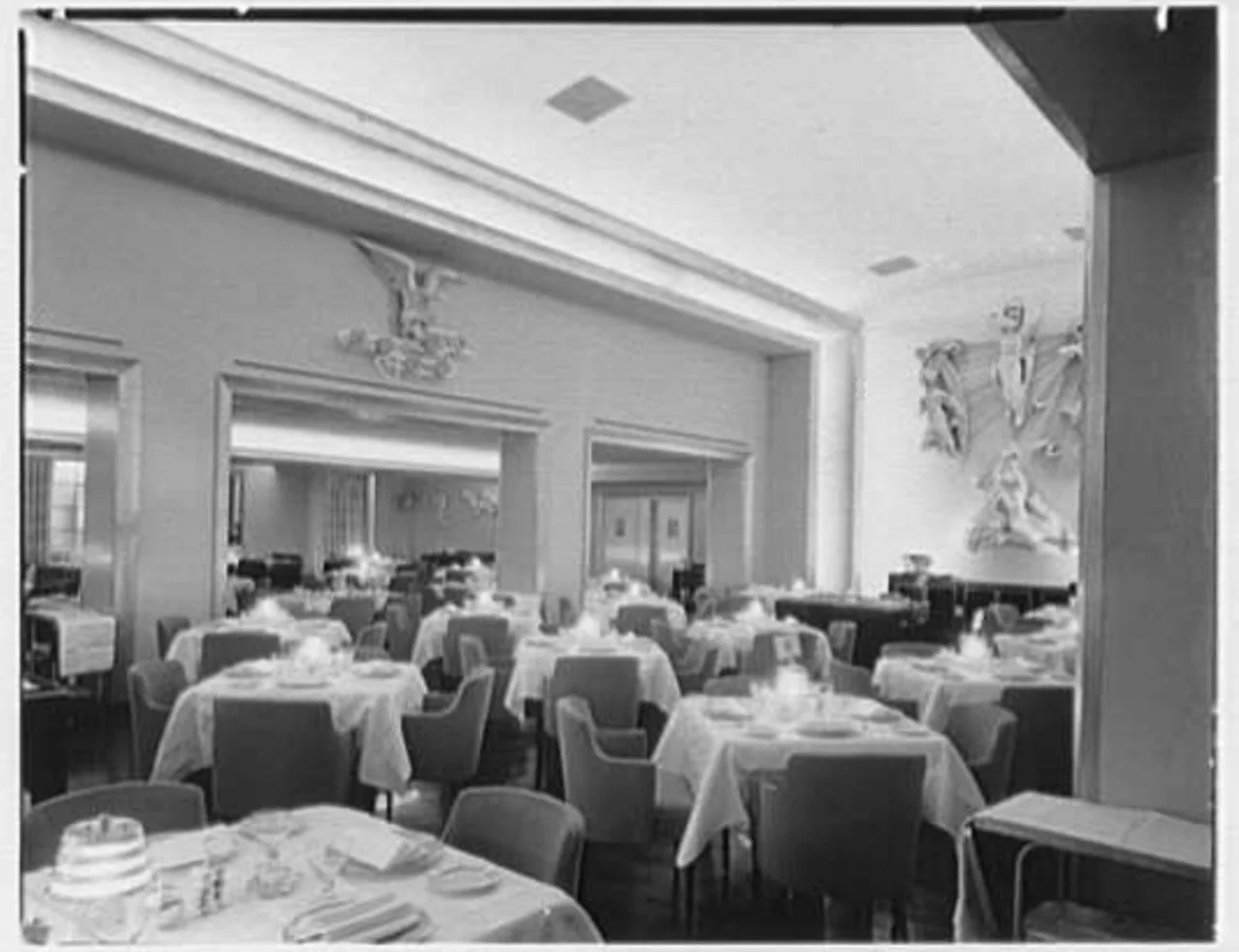
The United States made its first crossing in July 1952 in 3 days, 10 hours and 40 minutes. That run won the Blue Riband, the title for the fastest Atlantic crossing, and no passenger liner has beaten it since. Air travel was drawing passengers away by 1969, when the liner was retired. It ended up docked in Philadelphia for nearly three decades as one restoration plan after another fell through.
Okaloosa County bought the liner in 2024 and had it towed to Mobile, Alabama. Crews there have worked on it since March 2025, according to the SS United States Conservancy. The county is paying for the project with tourist tax revenue plus contributions from local groups.
What crews removed before the sinking
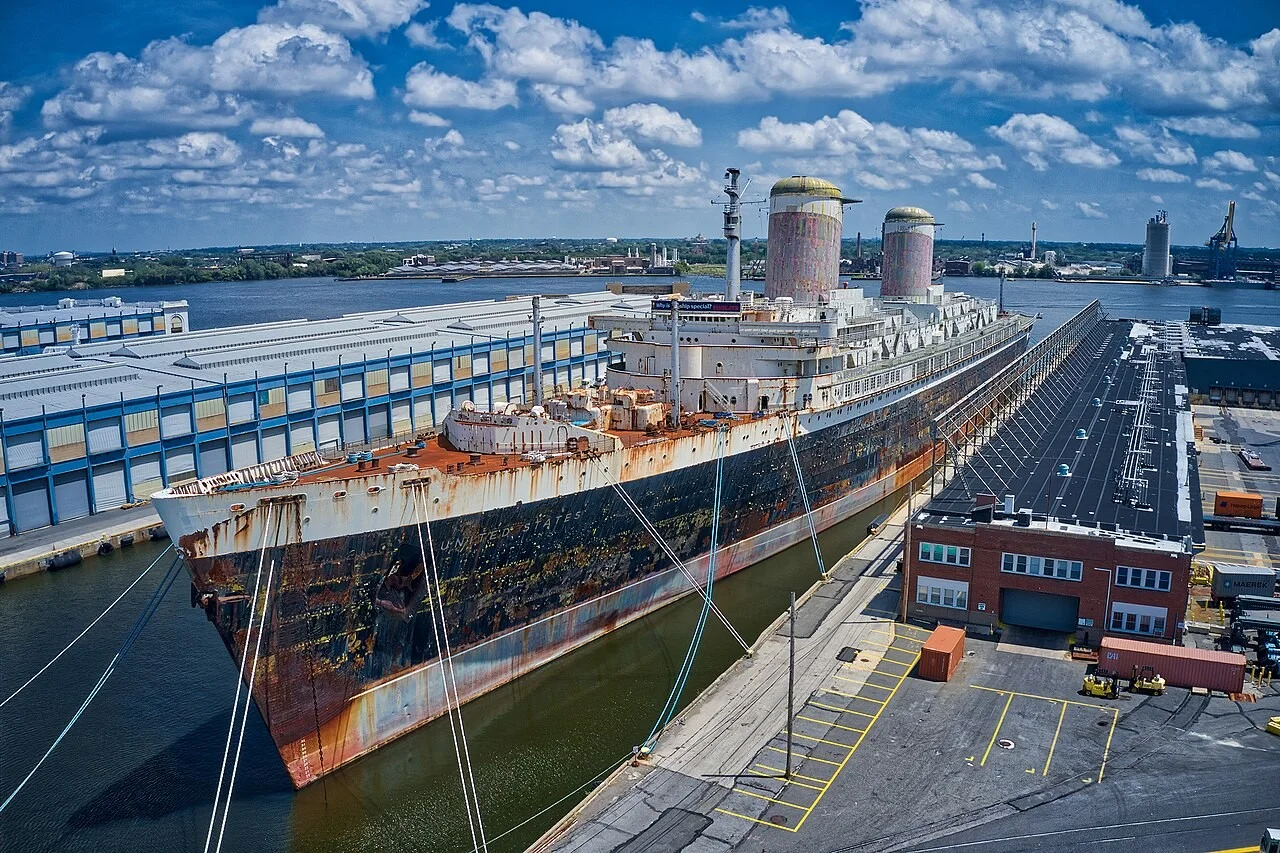
The county says all 128 of the ship's fuel and lubricant tanks were emptied, cleaned out and inspected, and workers stripped loose paint and wiring that posed environmental concerns. Crews also took more than 200 samples and tested them for regulated chemicals such as PCBs, which the United States banned in 1979. With the cleanup finished, the U.S. Army Corps of Engineers renewed the reef's federal permit.
County officials expect the wreck to draw fish and recreational divers. Scientists from Woods Hole Oceanographic Institution, Dauphin Island Sea Lab and Louisiana State University will study how the surrounding environment changes once the ship settles on the Gulf floor.
Hundreds of artifacts, including the two funnels and the radar mast, came off the ship first. They are set aside for a land-based museum that the Conservancy and Okaloosa County are planning together.