Two men who worked for China's Ministry of State Security were each sentenced to 30 months in prison Friday, October 30, in a case involving covert cash payments and efforts to identify potential recruits inside the US Navy.
Liren "Ryan" Lai, 40, and Yuance Chen, 39, will also serve three years of supervised release, according to the Justice Department's sentencing announcement. Both pleaded guilty to conspiring to act, and acting, as foreign-government agents without notifying the attorney general.
The records describe an operation built around money, personal information and introductions: cash left in a California locker, photographs of Navy recruits' details and contacts with a Navy employee. Lai initially connected Chen with intelligence officers; Chen later received assignments directly from them, prosecutors said.
The cash left in a Livermore locker
The FBI affidavit filed June 25, 2025 describes a January 2022 payment arranged while Lai and Chen were in China. Two associates in California were directed to leave a backpack containing at least $10,000 at a recreational facility in Livermore.
Messages reproduced in the affidavit describe a change of location from Dublin to Livermore as participants searched for a suitable locker. FBI surveillance observed two associates enter the Livermore facility and place a backpack inside a locker. An associate sent Chen the locker number, combination and photographs.
The affidavit gives the FBI's account of those events at the charging stage. Friday's sentencing announcement describes the approximately $10,000 payment as part of the operation, citing the government's sentencing memorandum.
A dead drop allows a transfer without the couriers meeting the recipient. The affidavit pairs the physical surveillance in California with messages coordinating the delivery from China.
The Navy personnel behind the photographs
In its original charging announcement, federal prosecutors described visits to a Washington naval installation and a Southern California recruiting office. Chen was tasked with collecting information that could help identify military personnel for possible recruitment.
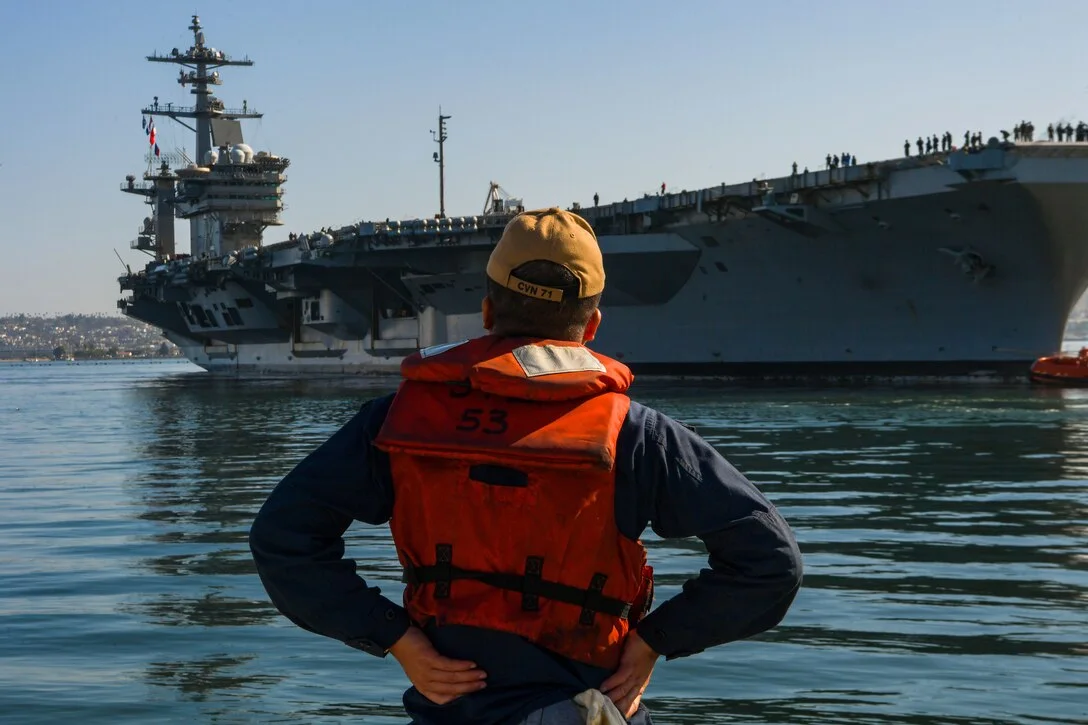
Prosecutors said photographs of a recruiting-office bulletin board included recruits' names, programs and hometowns. They also described Chen contacting a Navy employee through social media and later arranging a 2025 tour of the aircraft carrier USS Abraham Lincoln.
The personnel information could help identify whom to approach, while the social relationship offered a way to ask questions about Navy work. The affidavit records an exchange in which Chen asked the employee how often he went to sea, followed by photographs of the carrier visit. Prosecutors described potential recruitment targets, not Navy personnel proven to have knowingly joined the operation.
The charging announcement also said Chen met intelligence officers in Guangzhou in April 2024 and March 2025 to discuss compensation and assignments. The alleged work continued across several years, with contact maintained both online and during trips to China.
How the case reached sentencing
The Justice Department's current account puts the operation's beginning no later than May 2021. The later court milestones are:
| Date | Development |
|---|---|
| June 27, 2025 | Lai and Chen arrested in a coordinated investigation. |
| July 1, 2025 | Federal grand jury returned an indictment in Northern California. |
| December 12, 2025 | Lai pleaded guilty to both offenses. |
| February 20, 2026 | Chen pleaded guilty to both offenses. |
| October 30, 2026 | Each received 30 months in prison and three years of supervised release. |
The FBI led the investigation with assistance from the Naval Criminal Investigative Service.
The foreign-agent offense, explained
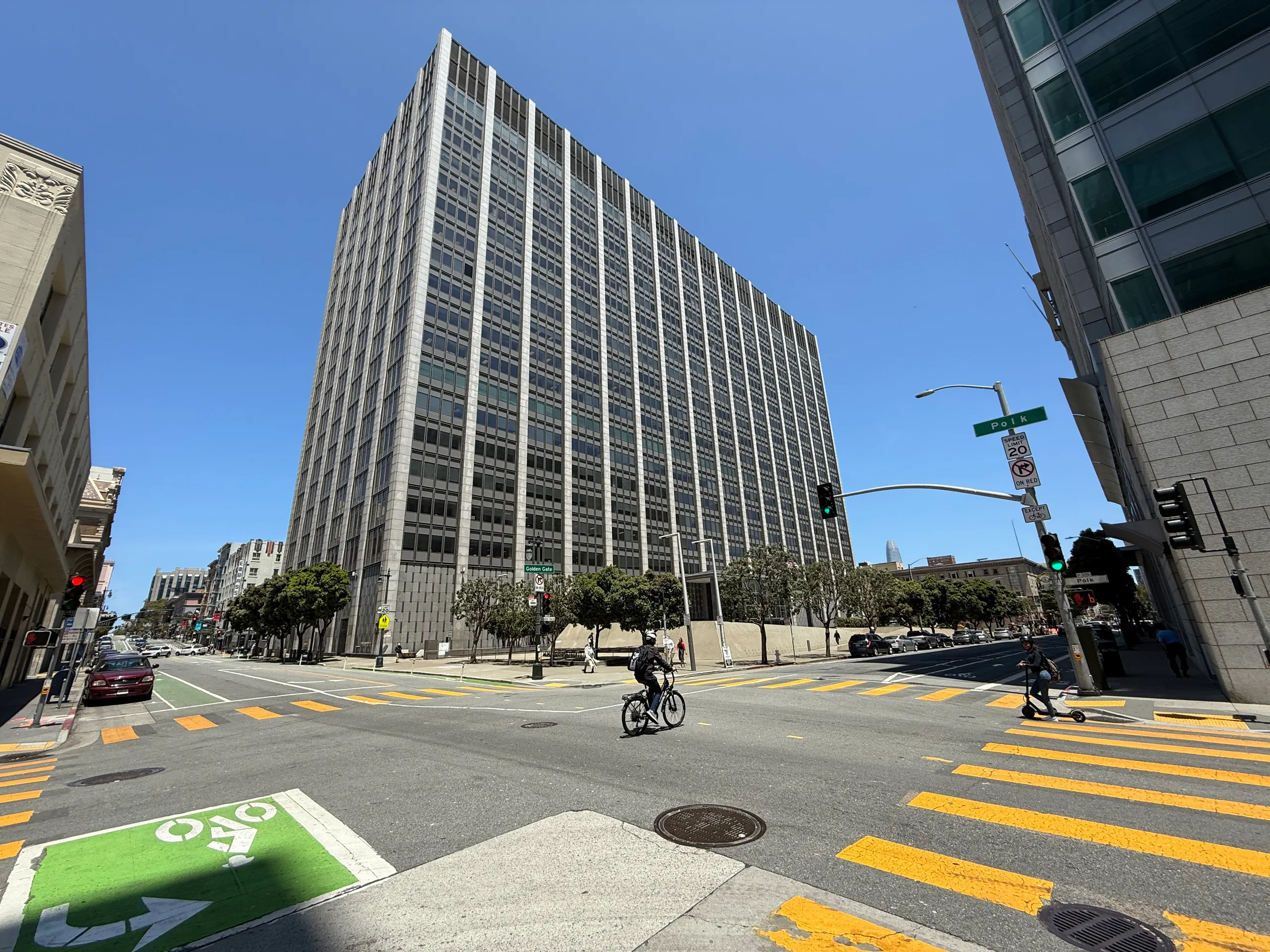
The case concerned 18 USC 951, which addresses acting in the United States under a foreign government's direction or control without the required prior notification to the attorney general. The statute defines an agent through that agreement and provides exceptions, including recognized diplomatic roles. Theft of classified documents is not an element of the offense.
Lai and Chen's convictions were for illegal foreign agency and conspiracy. Laws governing theft or unlawful disclosure raise separate questions; notifying the government of an agency relationship would not excuse other crimes.
Section 951 is also distinct from the better-known Foreign Agents Registration Act. The Justice Department's FARA guidance describes disclosure requirements for specified work on behalf of foreign principals, including political activity, public relations and representation before government. Its definition of a foreign principal extends beyond foreign governments to certain people, parties and organizations abroad.
A September 2016 Justice Department inspector general audit found that some FBI personnel treated Section 951 investigations as FARA cases. National Security Division officials told auditors the statutes had different elements and purposes. They also explained an overlap: FARA registration can satisfy Section 951 notification when the activity requiring notice is disclosed on the registration form.