A vehicle-recall search can return zero unrepaired recalls even when a newly announced campaign could apply to your car. The National Highway Traffic Safety Administration (NHTSA) says some recent recalls do not appear immediately because manufacturers are still identifying the affected vehicle identification numbers, or VINs.
The agency urges owners to check for recalls this weekend, ahead of the November 1 clock change. NHTSA says more than 29.2 million vehicles were recalled in 2025. That is a count of vehicles recalled during the year, not the number still awaiting repairs today.
Match the search to the question
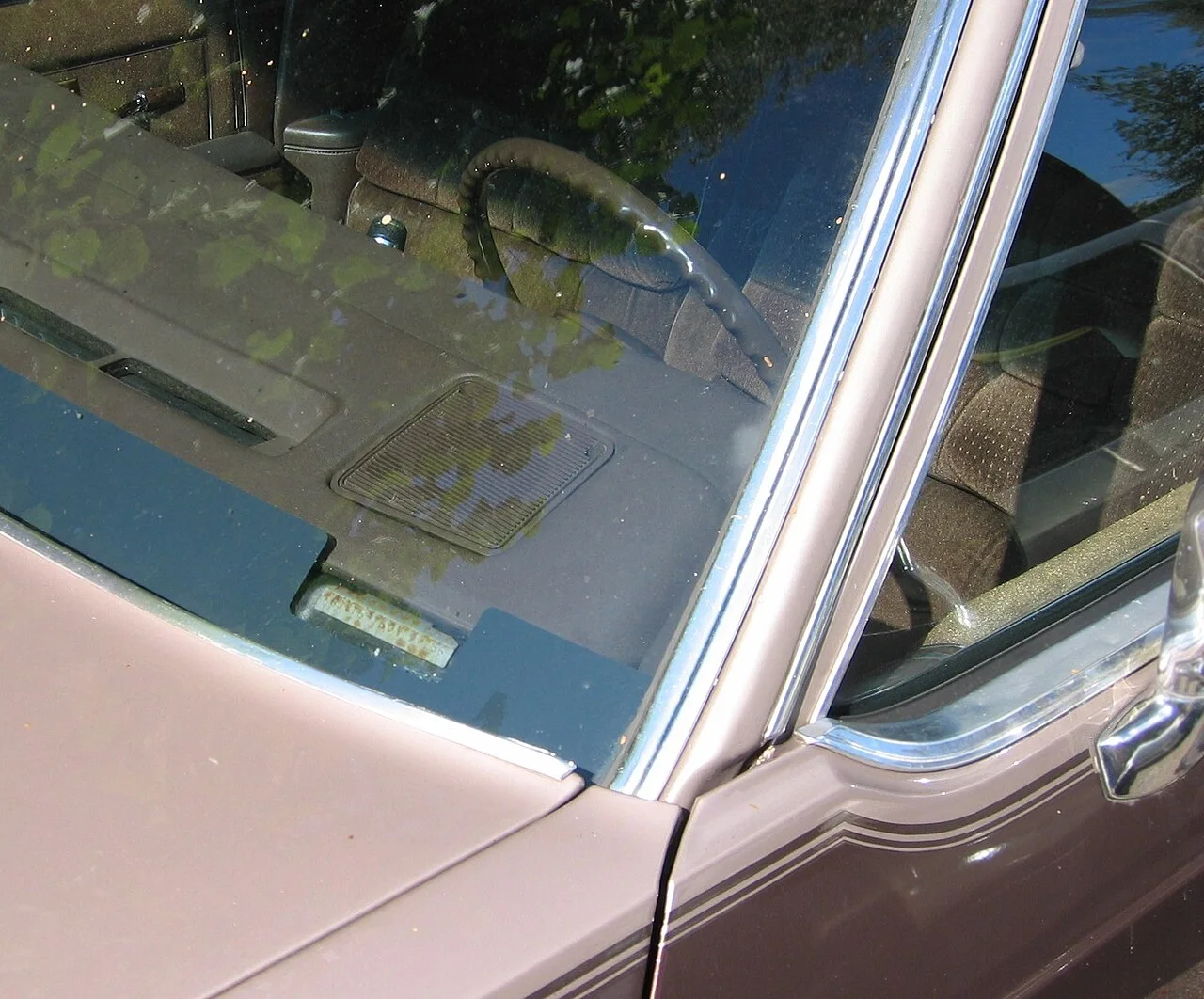
Start at NHTSA.gov/recalls. Your 17-character VIN is usually visible at the lower left of the windshield and on your registration card. A license-plate search is another option.
| Search | What it answers | What it leaves out |
|---|---|---|
| VIN or license plate | Whether that specific vehicle has an unrepaired recall in the lookup's coverage | Completed recalls and some newly announced campaigns |
| Year, make and model | What recalls and other safety records concern that vehicle type | Confirmation that your particular car needs a repair |
The VIN lookup also leaves out recalls over 15 years old unless a manufacturer provides longer coverage, recalls from some small manufacturers, international vehicles and non-safety customer-service campaigns. If you have a recall notice or another reason to suspect your vehicle is affected, contact the manufacturer or dealer even if the lookup returns zero.
For later updates, NHTSA offers the free SaferCar app, which checks for recalls automatically.
Ford's tailgate recall shows the timing gap
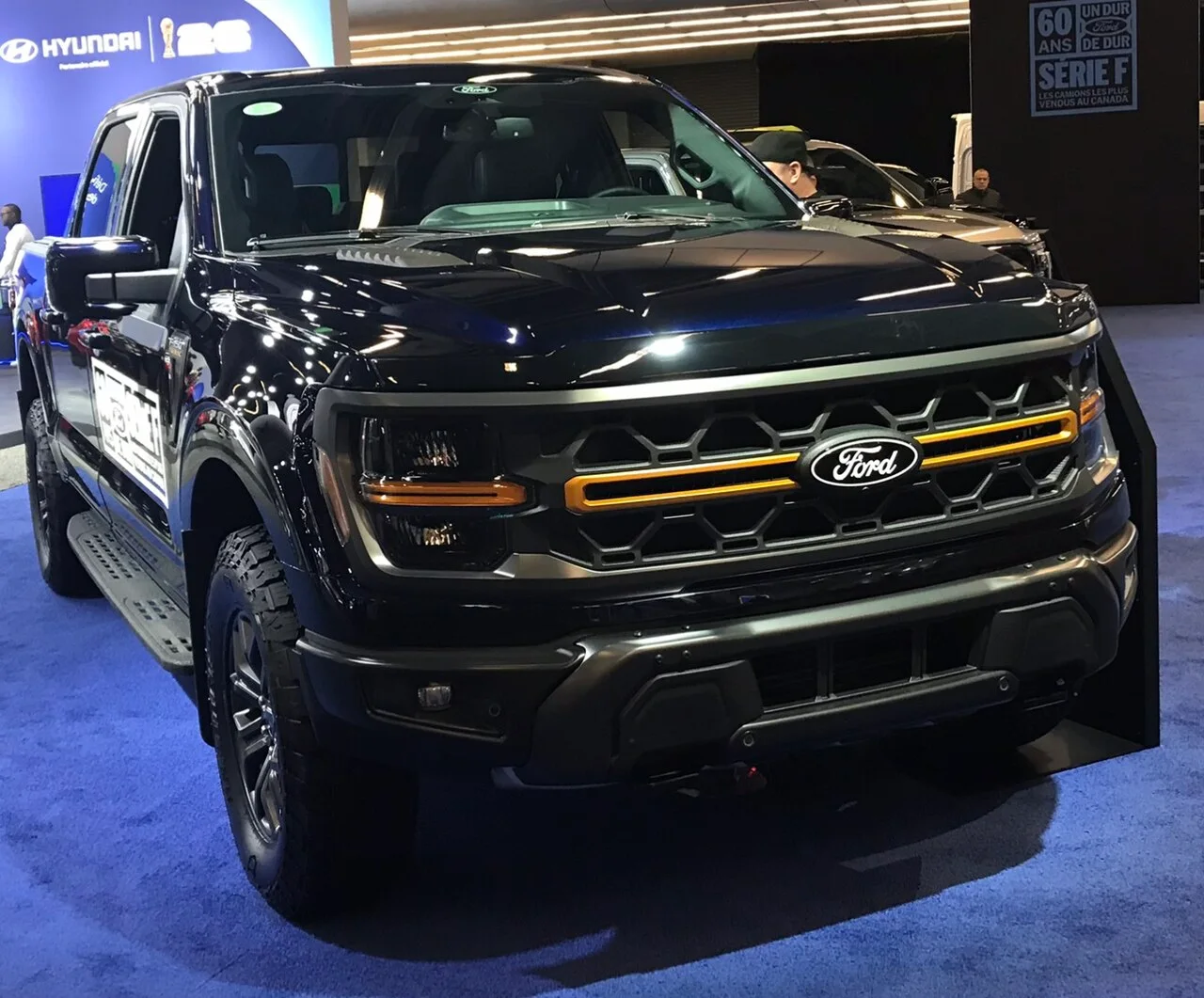
Ford's October 20 filing covers 30,123 certain 2026-2027 F-150 and 2026 F-250, F-350 and F-450 Super Duty pickups. A left-side tailgate cable can separate under a heavy load, allowing the tailgate to drop onto the rear bumper and increasing the risk of injury.
The filing says affected vehicles were not built in VIN order. Ford or a Ford/Lincoln dealer can check applicability; the manufacturer lists 1-866-436-7332 for owners. The planned public-search and notification dates are weeks apart:
| Step in recall 26S78 / 26V689000 | Ford's planned timing |
|---|---|
| VINs become searchable on NHTSA.gov | December 7, 2026 |
| Interim owner letters | December 14-18, 2026 |
| Dealer notification | January 11, 2027 |
| Remedy owner letters | January 18-22, 2027 |
NHTSA's campaign record anticipates remedy availability in January, with free replacement of the left-side cable. A search today does not substitute for asking Ford about a potentially affected truck.
Read urgent instructions before arranging a repair
Some recalls carry instructions that apply while an owner waits. In its October 12 recall tracker, Carfax estimates roughly 1.3 million vehicles still have unrepaired recalls with a Do Not Drive warning. Owners should leave those vehicles parked and contact their dealership rather than drive in for service.
A Park Outside warning addresses fire risk and calls for keeping the vehicle away from structures. Follow the instructions for the specific campaign. These warnings are not attached to every recall.
Free repairs and the two different age limits
NHTSA's owner guide explains that a free vehicle remedy generally depends on the vehicle being no more than 15 years old when the defect or noncompliance is determined, measured from its sale to the first purchaser. A manufacturer may still provide a free remedy for an older vehicle.
The lookup's separate 15-year limit concerns how old the recall is.
The guide also explains why a recall can precede an available repair: manufacturers need to identify owners, develop procedures, train dealers and distribute parts. An interim notice can provide precautions while a remedy is being developed. The notice should explain when the remedy is available and how to obtain it.
If a dealer refuses the remedy described in your recall letter, notify the manufacturer. If you already paid to fix the same defect before the recall, keep your receipts and ask about reimbursement. NHTSA says certain earlier repair costs qualify under specific timing and documentation rules.