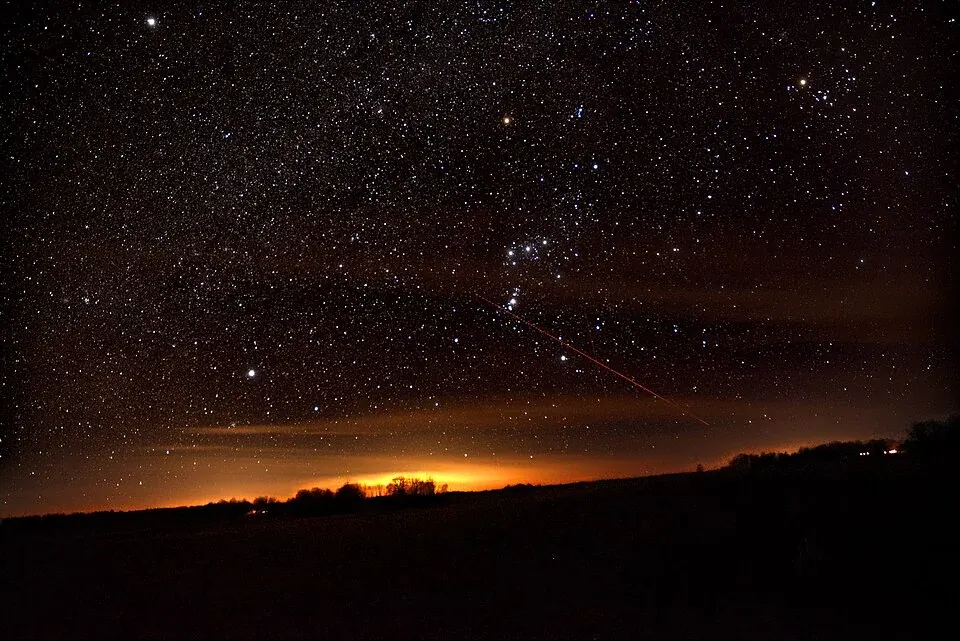
The Orionid meteor shower peaks on the night of October 21 into the morning of October 22. This year's moonlight makes timing more important than finding the constellation's exact outline.
NASA's October skywatching guide recommends looking before dawn after moonset because the Moon can interfere. Check the moonset time for your own location; a time copied from another city may send you outside while the sky is still bright.
Plan the session before setting an alarm
| Check | Why it matters |
|---|---|
| Local cloud forecast | Clouds can defeat an otherwise well-timed session |
| Moonset and dawn | Identify the available darker interval |
| Access and opening hours | A park or viewing area may close overnight |
| Clothing and seat | Staying comfortable makes patient viewing easier |
| Transport home | Leave enough time before ordinary morning commitments |
NASA's Orionids guide connects the shower to debris from Halley's comet. Earth encounters those small particles, which produce streaks as they enter the atmosphere. You are looking for meteors across a broad area of sky, not watching the comet itself pass overhead.
Choose a lawful, safe place away from bright lights and give your eyes time to adapt. Keep the phone screen dim and avoid repeatedly checking it. A reclining seat or blanket can be more useful than a telescope because the target is a wide view of the sky.
A published hourly rate describes specified observing conditions, not a promise for a short visit from a bright street. Moonlight, cloud and nearby lighting can all reduce what you see.
If the peak night is cloudy, NASA's calendar lists activity through November 7. Later dates offer another opportunity, although the activity and viewing conditions will differ.