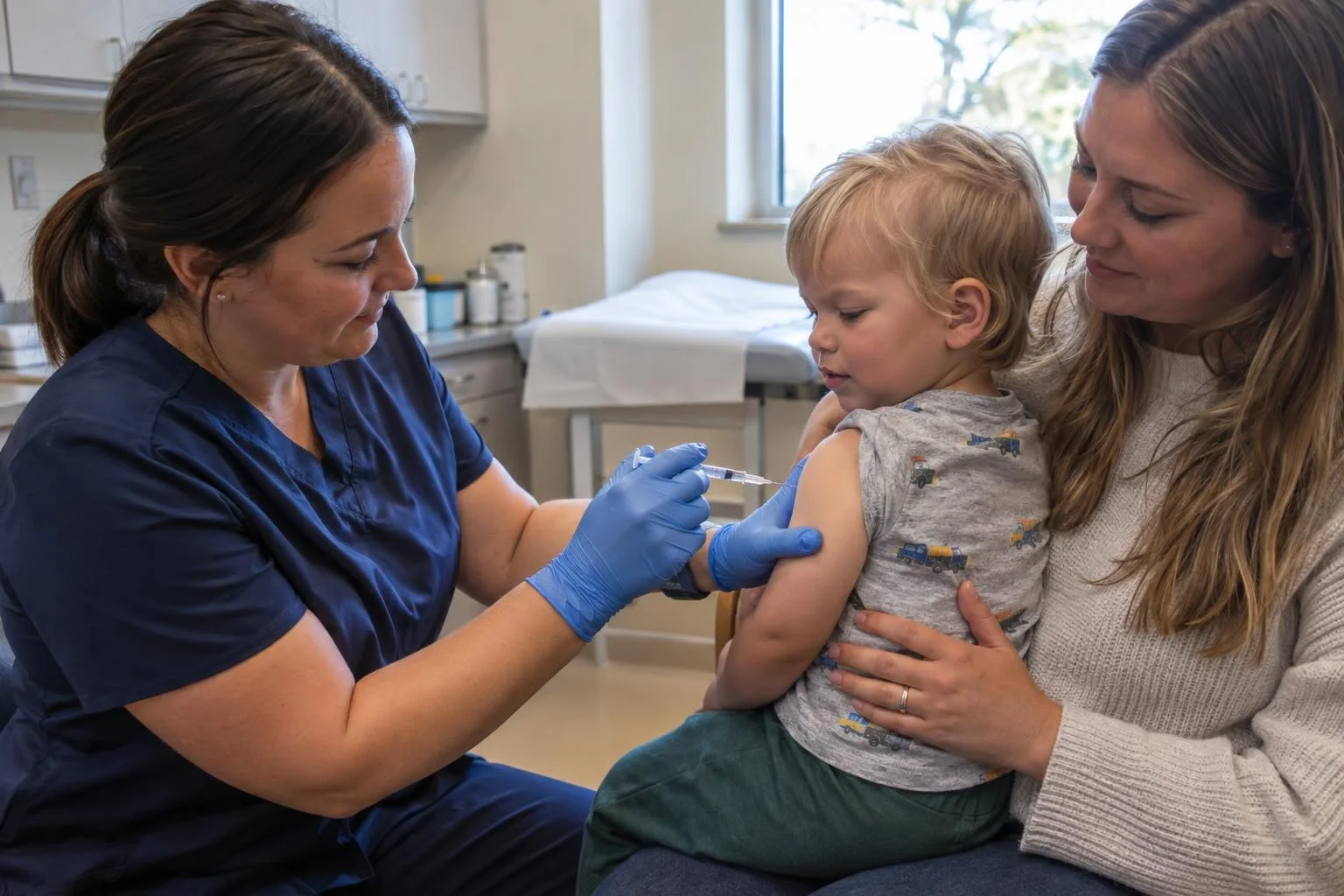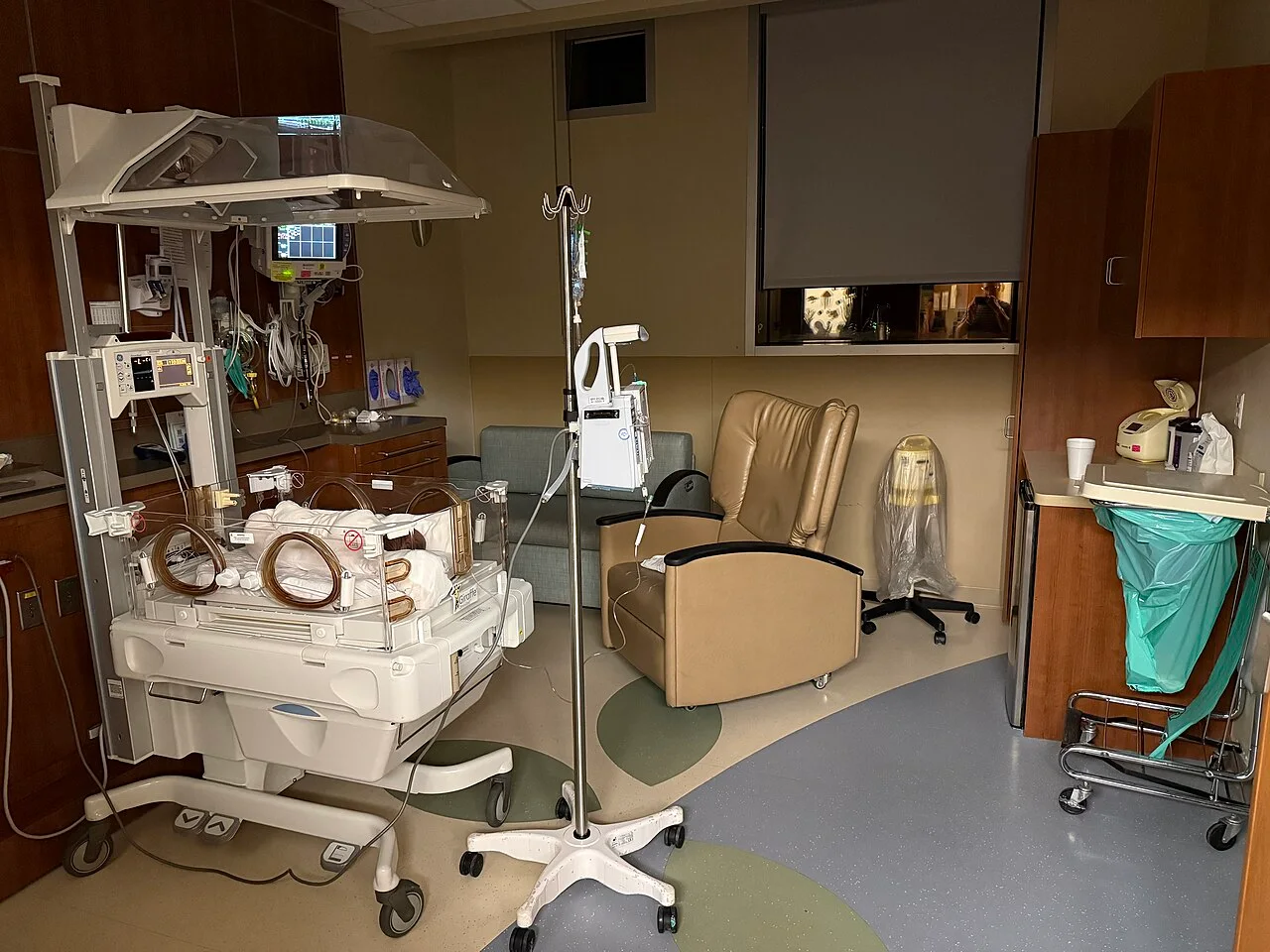
More newborns in the U.S. are leaving the hospital without the vitamin K shot pediatricians have recommended since 1961, and two studies published Nov. 5 link that change to more bleeding in babies, including bleeding in the brain.
A team at Children's Hospital of Philadelphia looked at 5.2 million babies born from 2017 through 2025 at hospitals and clinics in all 50 states and Washington, D.C. The share of newborns who did not get the injection more than doubled over that time, from 3.1% to 6.8%, according to the hospital. Its study appeared in JAMA. A second group, at Children's Hospital of Richmond at VCU, reviewed health records for more than 11 million infants over the same years and found that diagnoses of vitamin K deficiency rose 216% and diagnoses of bleeding caused by it rose 347%, the university said. That paper appeared in JAMA Pediatrics.
What the two studies found

In the Philadelphia study, 234,825 babies, or 4.5%, had no record of the shot. Over their first six months they had 288 recorded bleeding events per 10,000 births, compared with 186 per 10,000 among babies who got it. After the researchers accounted for factors such as gestational age, insurance and the mother's characteristics, missing the shot was tied to a 47% higher risk of any recorded bleeding. That extra risk showed up in every year studied.
The gap was widest for bleeding in or around the brain. Without the shot, there were 33 cases per 10,000 births. With it, 13. By the team's estimate, for about every 114 newborns who skip the injection, one more bleeding event will occur in the first six months.
The Richmond study found that the share of newborns getting the injection fell from 97.7% to 95.0%. Among babies diagnosed with vitamin K deficiency, only about 40% had received the shot, and among those with bleeding from it, about 19%. Around 7% of the deficiency cases and 2% of the bleeding cases also carried a diagnosis of bleeding inside the skull.
Neither study proves that skipping the shot caused the rise. Elizabeth Wolf, the Richmond pediatrician who led the second study, said other causes are unlikely, since the things known to raise the risk held steady or declined over those years.
Why newborns need vitamin K

Babies are born with little vitamin K, which the body needs to make blood clot. Not much crosses the placenta, a newborn's gut absorbs it poorly, and breast milk contains little of it. The early form of the deficiency, between 2 days and a week after birth, causes bleeding from the umbilical cord stump and bruising. The late form can appear any time from 1 week to 6 months and carries a 30% to 60% risk of bleeding in the brain, which can lead to seizures, permanent brain damage or death, according to VCU.
The American Academy of Pediatrics recommends one injection at birth. Heather Burris, a neonatologist at the Philadelphia hospital and one of the study's authors, said families need to know that the bleeding the shot prevents is serious and preventable.