Denmark's parliament approved the Greenland defense agreement on Thursday, clearing a parliamentary step toward expanded U.S. military operations in the Arctic. The pact names two additional defense locations and permits expansion at Pituffik Space Base while preserving Danish sovereignty and Greenlanders' right to self-determination.
The Folketing's voting record shows 109 lawmakers supported proposal B 36 on November 19, with no votes against and no abstentions. Its practical effect depends on the agreement's entry-into-force provision and the detailed arrangements for individual sites.
What the vote approves

The Danish decision authorizes the government to enter the agreement signed by President Donald Trump, Danish Prime Minister Mette Frederiksen and Greenlandic Prime Minister Jens-Frederik Nielsen on September 22. Greenland's parliament had already approved it, according to the Danish parliament's explanation of the process.
B 36 was introduced on October 22, received its first parliamentary reading on November 12 and passed its final reading Thursday. The committee issued its report on November 17.
Article XII of the English-language agreement sets the effective date as the date of a diplomatic note informing the United States that Denmark and Greenland have completed the necessary parliamentary procedures. The vote and that diplomatic notification are separate steps.
Pituffik and two additional locations
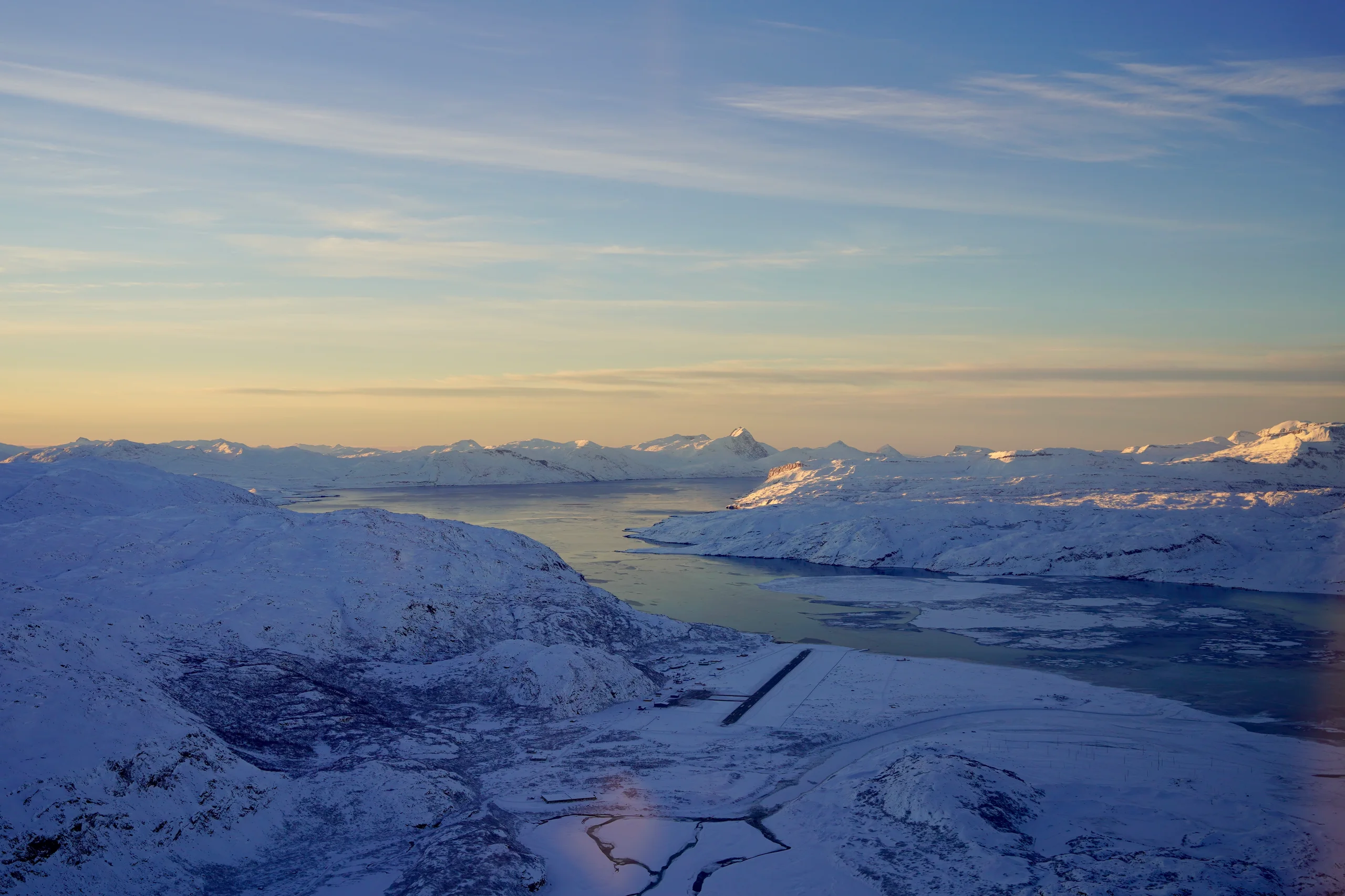
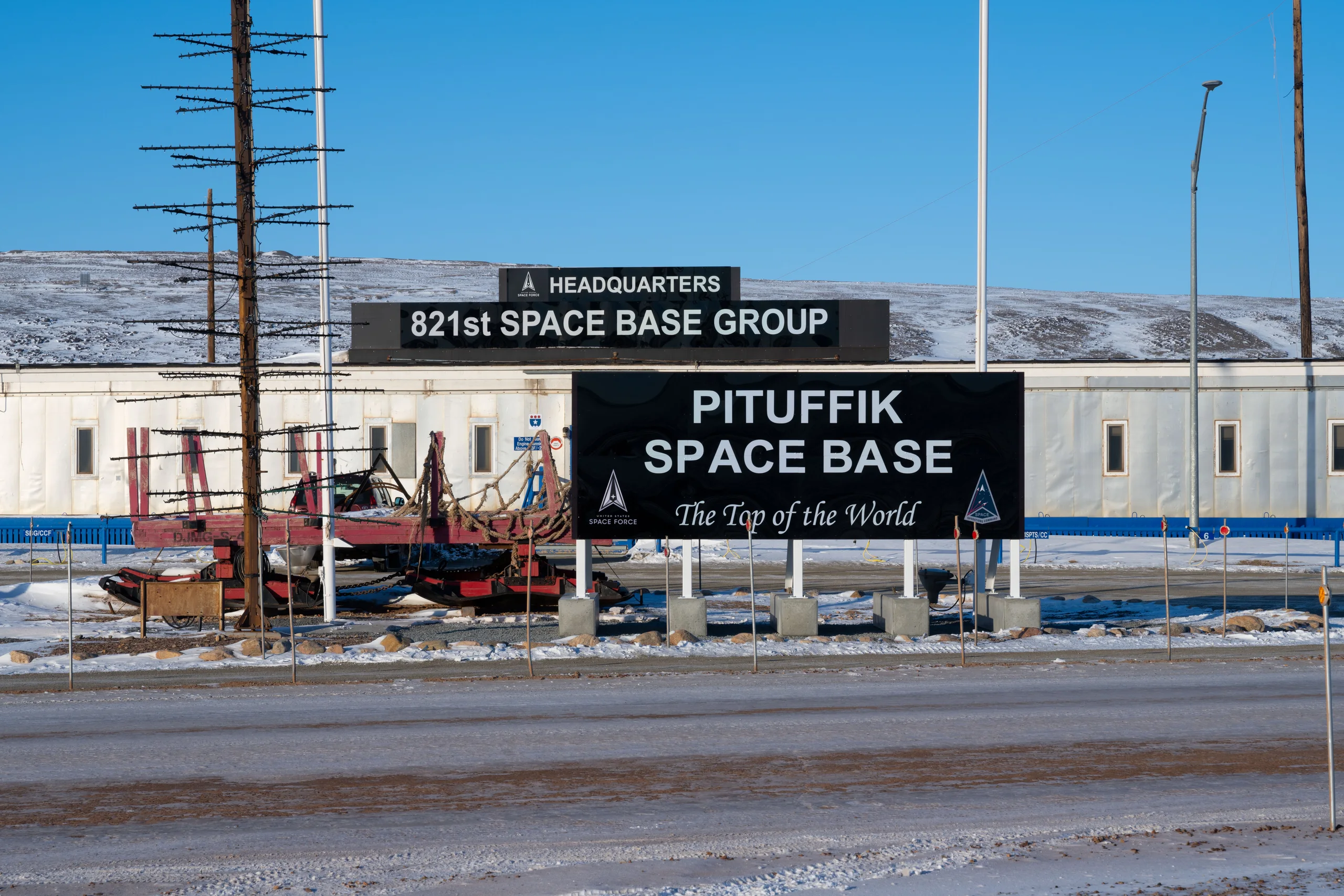
The agreement explicitly allows the United States to modernize and expand activities at Pituffik and establish defense areas at Narsarsuaq and Mestersvig. The parties must agree on the technical details for the two additional locations.
The House of Commons Library's September analysis explains that the United States already had a route to establish additional defense areas under the 1951 agreement. The 2026 pact adds explicit permission for these locations and a more detailed consultation process. U.S. access to Greenland therefore has a much longer history than Thursday's vote.
At Pituffik, the 12th Space Warning Squadron already operates an Upgraded Early Warning Radar for ballistic missile warning, missile defense and space domain awareness, according to U.S. Northern Command's account of the base's current operations. The radar supports NORAD's defense of the United States and Canada. Another unit runs a tracking station that sends commands to military and government satellites.
New sites still require agreement
A November 16 reply from Danish Foreign Minister Lars Løkke Rasmussen explains how future proposals would proceed. The United States must describe a proposed defense area's location, size, scope, activities and mitigating measures.
The parties would consult through their Permanent Committee. If they fail to agree within 90 days, talks move to the deputy minister level and then to ministers. That escalation provision does not grant automatic approval after 90 days.
Requests for unmanned military installations outside defense areas receive accelerated consideration, but still require specific agreement among the parties, the minister said. His reply also says U.S. commercial contracts for building, maintaining and servicing installations should go to Greenlandic sources as far as their capacity and ability to perform allow.
Sovereignty, investment and Golden Dome
At the September signing, Denmark's prime minister's office emphasized recognition of the kingdom's territorial integrity and Greenlanders' right to determine their future. Greenland remains a self-governing territory within the kingdom. The prime minister's office described the agreement as a way to strengthen NATO security in the Arctic and North Atlantic.
The pact's preamble mentions a Golden Dome defense system. The Commons Library notes that treaty preambles generally help interpret an agreement but are not themselves legally binding. The reference does not supply a construction schedule for a missile-defense installation.
Article X restricts specified security-sensitive investment involving states or investors outside NATO, NATO partner countries and the European Union, subject to the parties' agreement on whether a threat exists. It covers potential control, significant influence or access to sensitive nonpublic information, including in critical infrastructure and resource extraction.
The agreement has no end date. Any amendment requires mutual consent.