

The Federal Aviation Administration says its new SMART flight-planning tool played no part in Friday’s nationwide ground stop. The agency expanded SMART to all 22 U.S. air route traffic control centers on Nov. 10, three days before it halted most departures. In a public account of the disruption, the FAA attributed the stop to instability on its existing telecommunications network.
The timing put a spotlight on what the new software actually does. SMART gives traffic managers options for handling problems such as bad weather and congestion. The communications network carries information the FAA needs to operate the airspace safely. Friday’s problem interrupted some of the radar and radio information that controllers rely on.
How a routing recommendation reaches controllers

SMART stands for Strategic Management of Airspace, Routes and Trajectories. The FAA’s Nov. 10 announcement says the system combines about 200 feeds, including weather, flight paths and staffing data. Specialists in Washington examine the results and send recommendations to the FAA’s Air Traffic Control System Command Center in Warrenton, Virginia. That center passes the recommendations to the facilities that would use them. Local traffic managers and controllers retain operational authority.
Consider a line of storms forecast to move across a busy corridor. The FAA’s fact sheet describes how earlier forecasts can help managers anticipate which routes will become unusable and where there may be room to send traffic. Managers can then consider moving flights in advance, when there are more options. They can also see whether a reroute would crowd another part of the network. The fact sheet describes a similar use at an airport where several flights are due to arrive together. Managers can consider a landing sequence hours earlier, while there is still time to adjust the plan. The department also says the tool can help staff judge when to reopen airspace temporarily restricted for weather.
What the Washington trial showed
The FAA says SMART helped reroute 180 flights in the initial Washington-area deployment, which began Sept. 21. It reported average savings of 10 minutes and almost 80 gallons of fuel per rerouted flight. One flight from Tampa to Dallas saved 42 minutes, the Associated Press reported, citing the agency. Those numbers describe the flights helped during the initial deployment. They do not tell passengers how much time a typical U.S. flight will save or how often a manager will use the tool.
Friday’s ground stop involved a different problem. The FAA says its legacy telecommunications network became unstable enough to disrupt aircraft communications and radar feeds, although frequencies remained available for flights to land safely. The agency lists multiple possible sites in its initial account and has not established a final root cause. It says SMART does not feed information into the air traffic control system that experienced the instability.
What lawmakers want an audit to measure
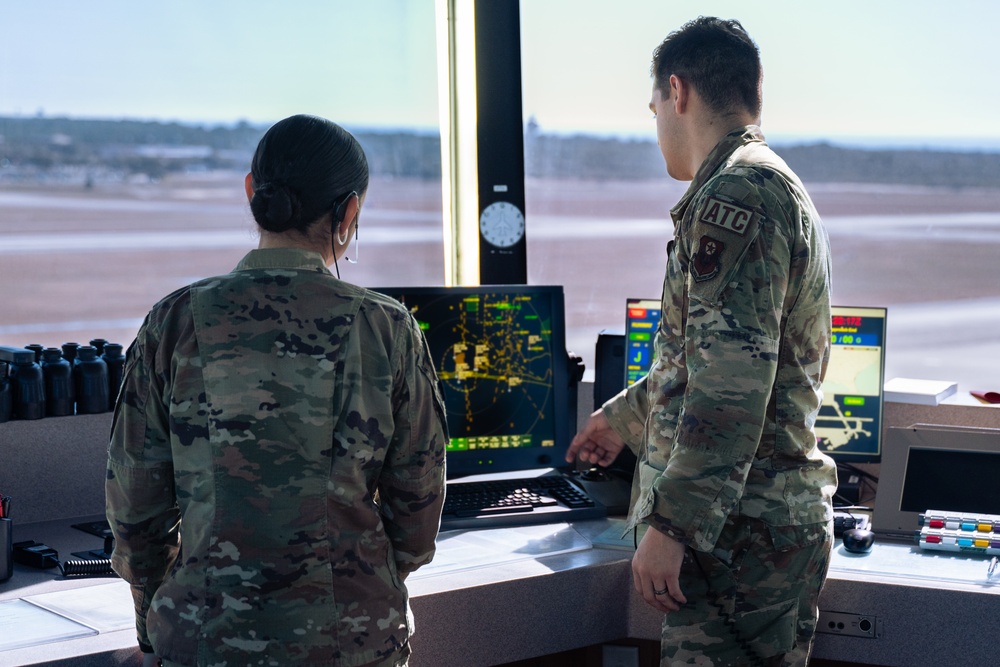
House Transportation and Infrastructure Committee Democrats asked the Government Accountability Office in October to examine SMART and a separate flight data system. They asked how the FAA tests both systems, assesses safety risks and involves the staff who use them. For SMART, they also asked what measurements would show whether it is reliable and improves operations. A request for an audit is separate from an audit finding.
A September GAO report addressed a broader FAA modernization program and found that it lacked a comprehensive lifecycle cost estimate and an integrated schedule. It also noted that the aviation system depends on different technologies for weather, surveillance and communications. That distinction matters in evaluating the new tool. Fuel and time savings can show what better route planning does. Whether new communications equipment can keep radar and radio information moving during an outage calls for different tests.