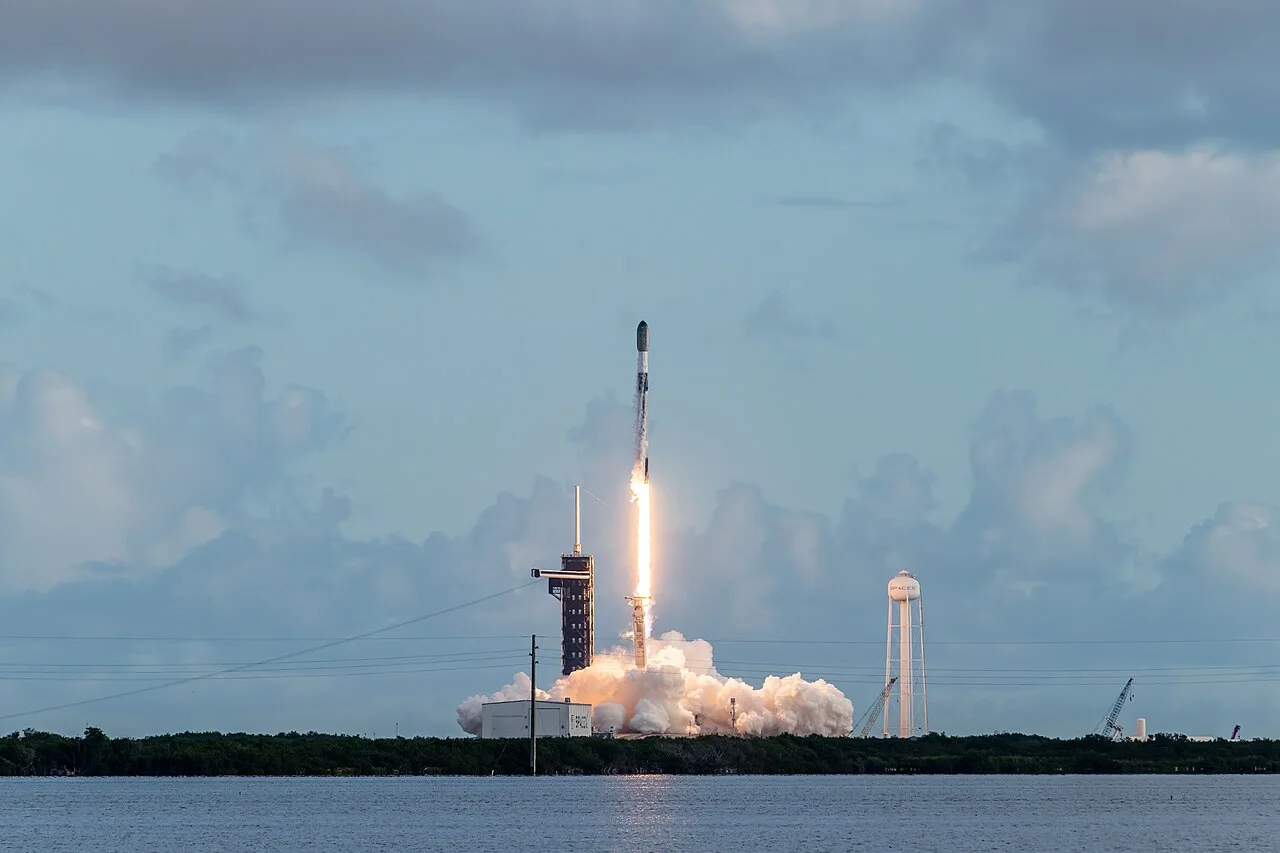
The Federal Communications Commission on Wednesday, Nov. 25, authorized SpaceX to put up to 1 million satellites into orbit as data centers, a constellation SpaceX calls Starmind. The agency says it is the first U.S. authorization ever granted for data centers in space.
The approval came from the FCC's Space Bureau. It granted the application in part and deferred one piece of it. SpaceX applied in January, and Amazon's satellite unit, Viasat and the American Astronomical Society all asked the FCC to deny it.
What the FCC approved
The grant and order let SpaceX place the satellites in orbital shells between 500 and 1,002 kilometers up, roughly 310 to 620 miles, in two kinds of orbits: one tilted 30 degrees to the equator and one that passes near the poles in step with the sun.
The radio license itself is narrow. SpaceX says the satellites will rely on laser links to communicate, so the FCC authorized two Ka-band frequency ranges only as a backup for tracking and controlling them if those optical links fail. SpaceX may not cause interference in those bands or claim protection in them, and it has to coordinate with federal agencies, including national security users, before it uses the downlink band.
FCC Chairman Brendan Carr said in a statement that moving computing beyond Earth would help keep the United States ahead in what he called "super intelligence." The agency says it is reviewing other orbital data center proposals as well.
The deadlines SpaceX has to meet
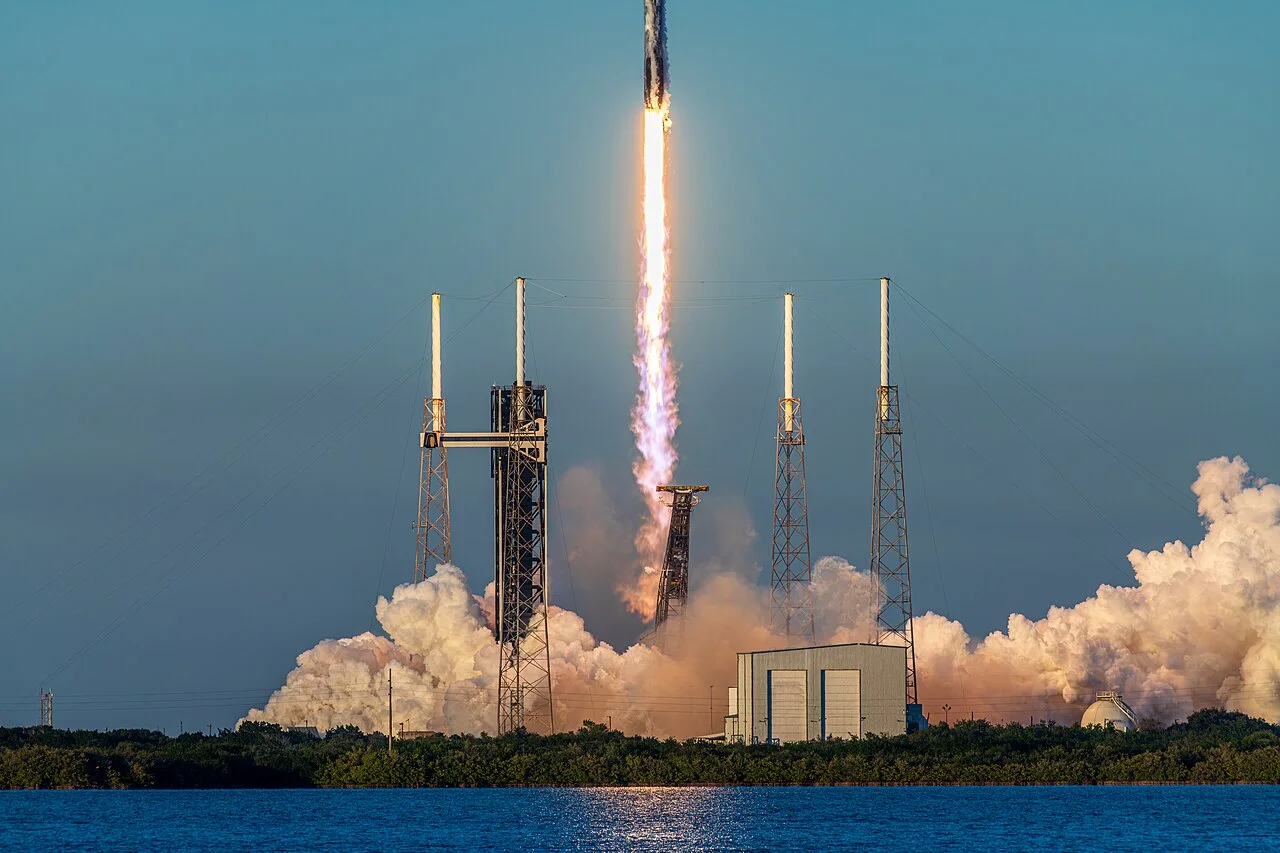
The order sets a schedule, and the license becomes void if SpaceX misses it:
| Deadline | Satellites that must be in orbit and operating |
|---|---|
| Nov. 25, 2033 | At least one |
| Nov. 25, 2035 | 10% of the authorized total |
| Nov. 25, 2038 | 50% |
| Nov. 25, 2040 | The full constellation |
The FCC also waived the surety bond normally required of satellite operators and exempted SpaceX from a processing round, the procedure that would have opened the same frequencies to competing applicants at the same time. SpaceX must also report by Jan. 1 and July 1 each year how many close approaches with other objects its satellites had, how many re-entered the atmosphere and how many are in orbit.
What the FCC put off, and what it dismissed

SpaceX asked to skip the rule that satellites ending their missions below 2,000 kilometers must burn up in the atmosphere. It wanted the option to send satellites flying above 600 kilometers into disposal orbits or out toward the sun instead. The FCC deferred that request, saying SpaceX had not shown its alternative would meet the rules. Before launching any satellite that will not be disposed of by re-entry, SpaceX has to file for a modified license.
The FCC turned aside the astronomers' objections. The American Astronomical Society had argued that waste heat from 1 million computing satellites could brighten the sky at infrared wavelengths and hurt research. The FCC said that issue falls outside its review of radio operations, and it said SpaceX's commitment to coordinate with the National Science Foundation answers concerns about visible-light astronomy. It also declined to order an environmental review of rocket exhaust or of satellites burning up on re-entry, calling the re-entry concerns speculative.
SpaceX has 30 days from the release of the order to decline the grant. The 15-year license term starts when SpaceX certifies that its first Starmind satellite is operating in orbit.