
Anthropic has agreed to bar the use of covered student and teacher data to train its general-purpose AI models under a school privacy standard announced Nov. 10 by the American Federation of Teachers and the United Federation of Teachers. The unions say the standard applies automatically to Anthropic’s existing district agreements for Claude for Teachers. For families and educators, the first question is which product and account their school actually uses.
The signed memorandum is between Anthropic and the National Academy for AI Instruction, a teacher-training initiative. The unions’ announcement describes how Anthropic will apply it to existing Claude for Teachers district contracts. The written standard also gives other school districts a route to request the protections when they buy an eligible education product. A district can incorporate them into its own privacy or licensing agreement.
Which Claude accounts are covered

Claude for Teachers is aimed at adult educators. Anthropic says verified U.S. K-12 teachers can use it free, with tools for tasks such as preparing classroom materials. That individual eligibility is a separate question from the district contract. The standard defines an education product as a service designed for schools and used through authenticated access under an agreement with the education provider. It excludes general-purpose services that happen to be used in schools.
A teacher who uses a personal Claude account or an app that relies on a Claude model should check the terms for that specific service. Education Week reported that the agreement does not necessarily extend to education apps sold by other companies that use Claude underneath. Two teachers working with the same model could therefore be working under different contracts.
What happens to prompts and student records
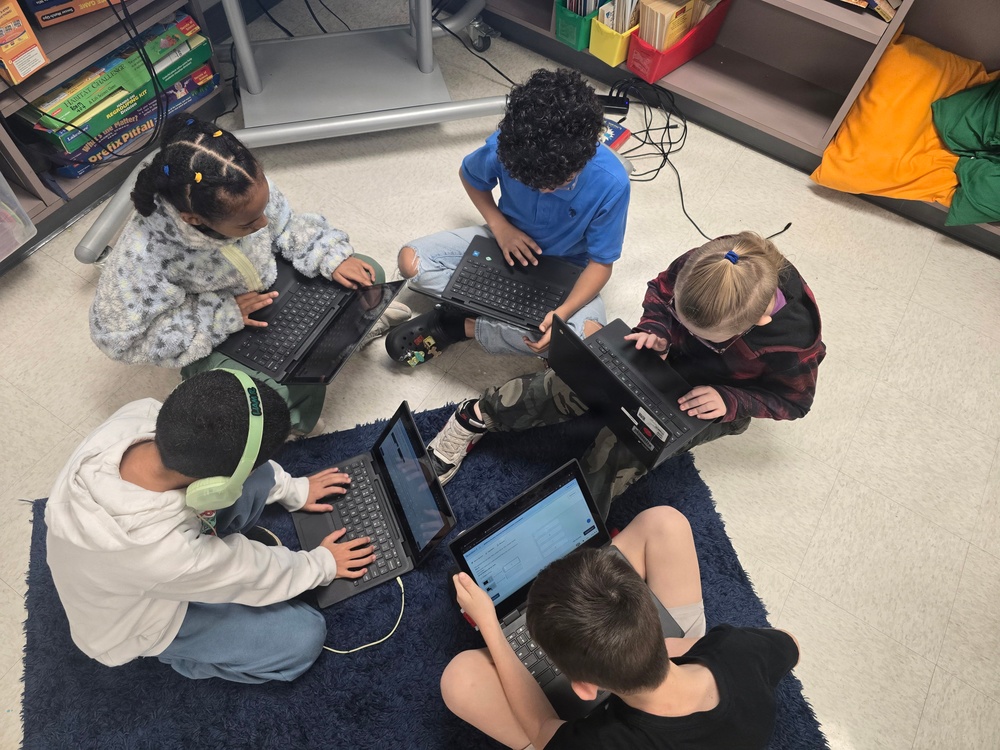
The agreement’s definition of student data includes obvious identifiers such as names and grades. It also includes prompts, responses tied to a student and stored information the tool uses to remember a user between sessions. Information generated by educators, administrators or districts while using the covered product falls under a broader category of protected data.
The terms prohibit using that covered data for general-purpose model training, including data collected before the agreement. The training restriction survives the end of the agreement. A narrow exception allows the company to process the minimum data necessary to respond to a safety or security problem, such as unauthorized access. The company cannot reuse data processed under that exception for advertising, profiling or general model improvement.
A training ban and a deletion deadline answer different questions. The memorandum sets a 180-day ceiling for deleting covered data from active systems after the district starts a deletion request, subject to the district’s retention settings, legal holds and other obligations. The memorandum also sets a 180-day ceiling for backup purge cycles, with exceptions for legally required retention or a documented hold. Schools can request written confirmation when deletion is complete. Those time limits do not set the default lifespan of a prompt in an active account.
What families can ask their district
Ask the school to name the tool and account type, and request the district’s data privacy agreement or addendum. Those details will show whether the district bought the education service, whether teachers or students use it, and what retention settings the district chose. A parent who wants to know whether a child’s work goes into an AI tool can ask which staff members may upload it, what information is included and how long the service keeps it.
The U.S. Department of Education’s guidance on education technology advises districts to explain how they share student data and to make their policies on outsourced services available. The Anthropic agreement adds contract terms for covered use. Federal and state privacy obligations continue to apply. For a family looking for an answer about one classroom, the district’s written terms and approved-tool list are more useful than the product name on a teacher’s screen.