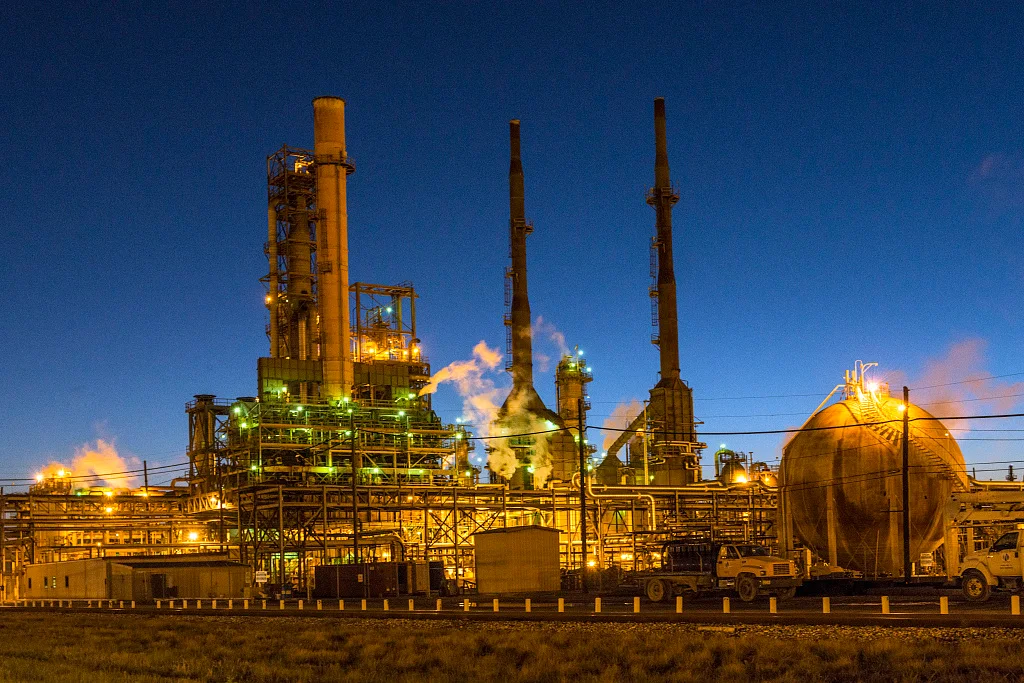
The International Energy Agency's new outlook describes an energy market being reshaped by the Middle East conflict, disrupted shipping and rising electricity demand. For U.S. households, a growing domestic energy industry still leaves exposure to world fuel prices, while natural gas and electricity costs follow different paths.
The World Energy Outlook 2026, published November 19, examines how governments and markets might respond over the coming decades. Its scenarios are conditional. They do not set next month's gasoline price or a utility's approved rate.
What the scenarios assume
The IEA's Current Policies Scenario starts with rules already adopted. Its Stated Policies Scenario also includes measures governments have put forward but have yet to adopt. Both assume constraints on Gulf exports ease and shipping through the Strait of Hormuz becomes unimpeded by the end of 2027.
An Additional Response Case examines further supply and demand measures under consideration by governments. A separate Low Hormuz Case tests how the system could manage without transit through the waterway.
Those assumptions produce different demand and trade outcomes. A scenario showing lower oil use after faster electrification depends on those changes happening. It is not a promise that fuel will become cheaper on a particular date.
Why more U.S. oil does not fix the pump price
American energy companies sell into international markets. The U.S. Energy Information Administration's trade analysis shows that the country exports and imports large amounts of petroleum. Its net-export position combines regions with very different needs: the Gulf Coast's surplus outweighs net imports elsewhere.
Crude oil also has to pass through a refinery before becoming gasoline, diesel or jet fuel. Oil and petroleum products trade globally, so a loss of supply overseas can affect the prices American buyers pay even when domestic wells keep producing.
The EIA's November petroleum outlook illustrates the connection. It forecasts record U.S. crude production of 14.3 million barrels a day in 2027, up from 13.9 million this year. Yet it expects refinery profit margins to stay elevated through much of 2027 because disruptions have reduced refined-product supplies available internationally.
Its November 10 forecast puts next year's U.S. gasoline average at $3.73 a gallon and diesel at $5.03, both below its 2026 estimates but above its previous forecast. These are national annual averages, with inputs finalized November 5, rather than prices available at a nearby station today.
U.S. natural gas has a different outlook
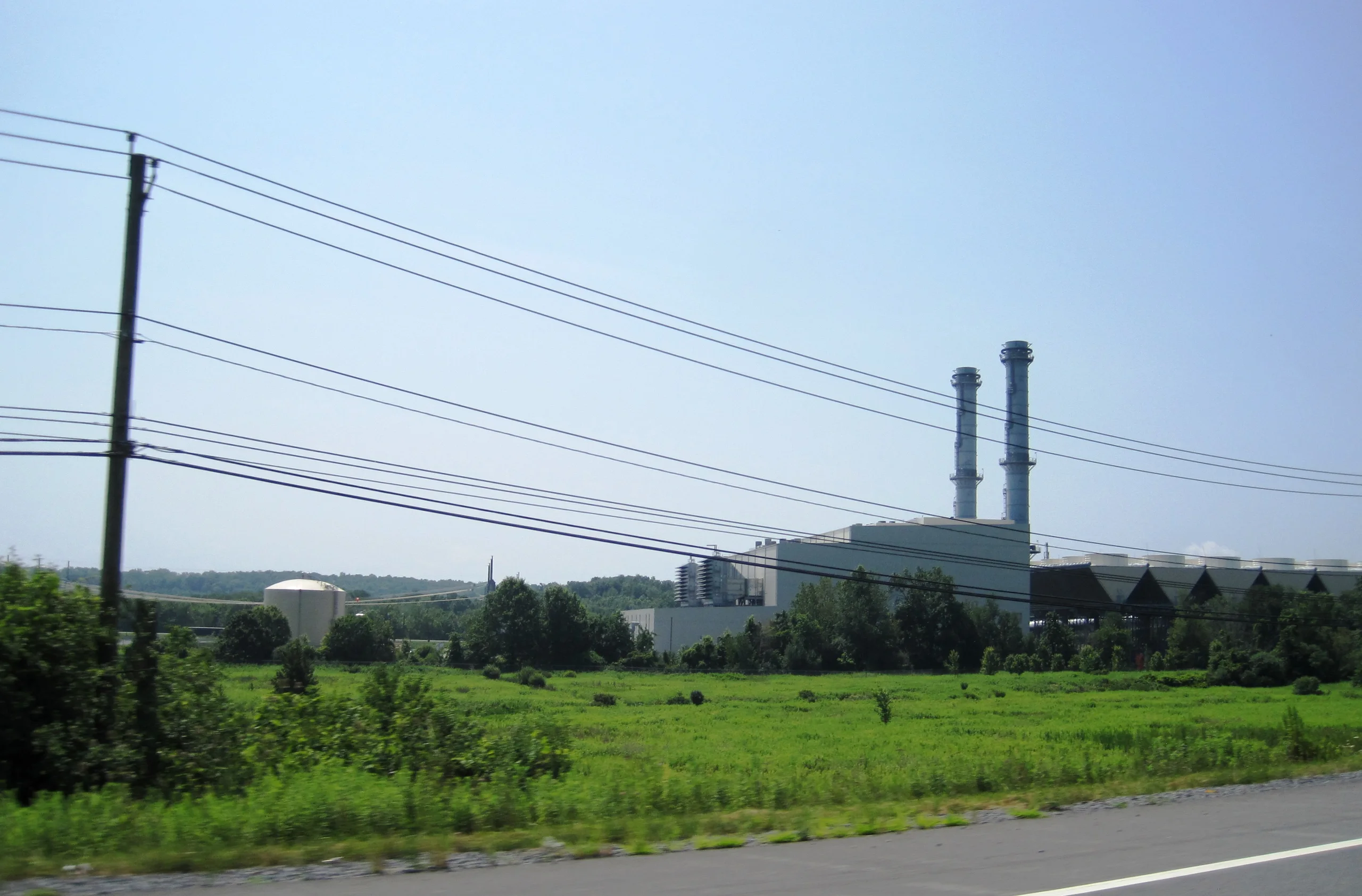
The same agency's natural gas forecast expects a warm start to winter and growing domestic production to put downward pressure on U.S. prices. It projects the Henry Hub wholesale benchmark averaging $2.87 per million British thermal units from November through March, 36% below last winter.
At the same time, it forecasts U.S. liquefied natural gas exports rising to 19 billion cubic feet a day in 2027, from 15.1 billion in 2025. Domestic prices can fall while export volumes rise when production grows faster than combined domestic and export demand. Severe cold could still increase demand and cause temporary price spikes.
Electricity needs more than fuel
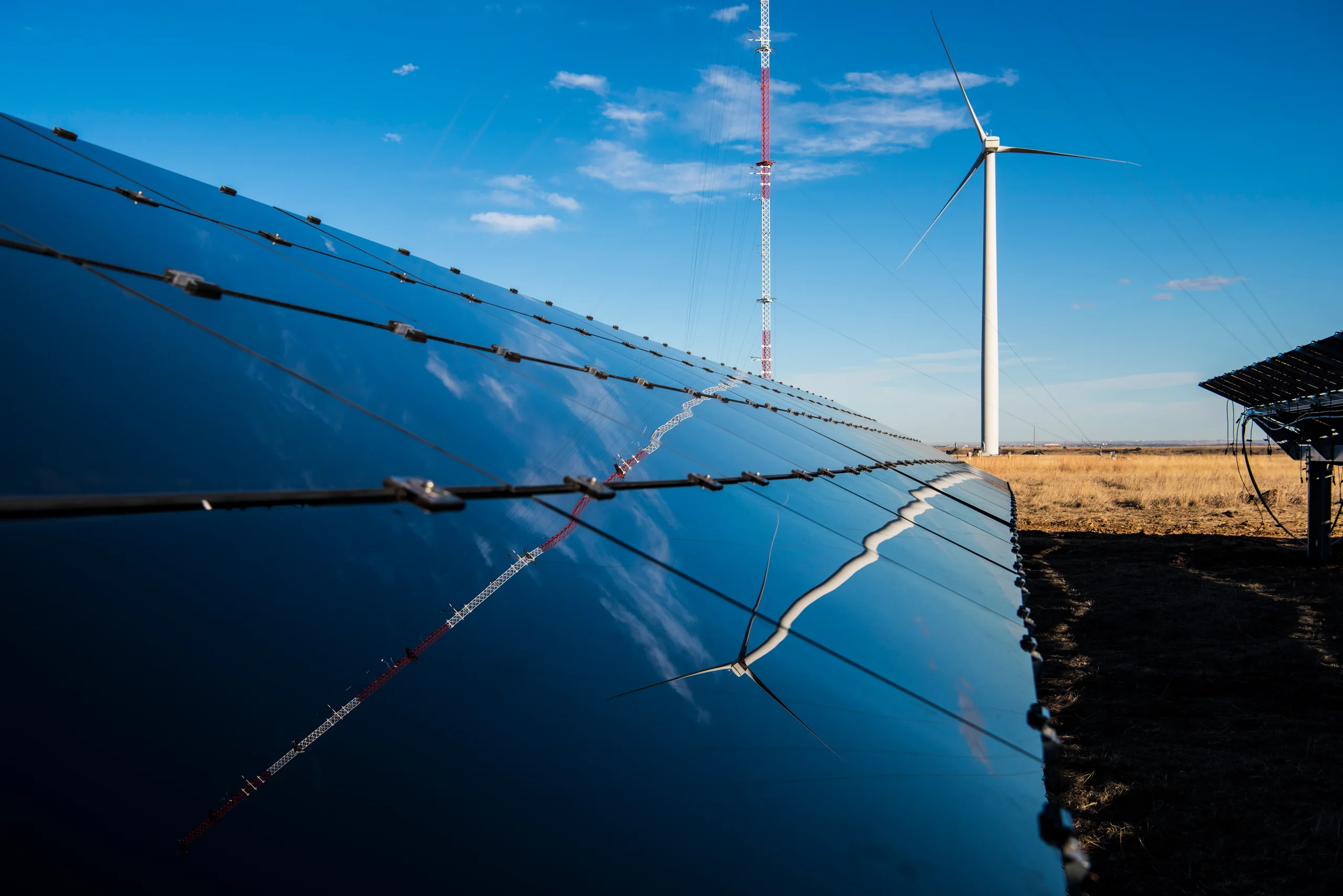
The IEA's energy security analysis says electrification can reduce exposure to traded fuels, but requires adequate generation, stronger grids, storage and ways to shift demand. That creates a need for investment alongside any fuel savings.
For the United States, the EIA expects utility-scale solar to supply nearly 10% of generation in 2027, up from 7% in 2025. Natural gas remains close to 40% in its forecast.
A utility bill also pays for the network that delivers that power. The EIA's electricity price guide includes plant financing, operation, transmission, distribution, weather and regulation among the costs and conditions affecting prices.
For an individual household, the relevant comparison is the utility's actual supply and delivery rates, fees and electricity used. The EIA's published retail averages combine those delivered costs across customers; they are not the tariff applied to a particular account.