

U.S. trade officials proposed higher duties on certain imported sugar and a 10% tariff on finished aircraft from Brazil on Wednesday, seeking public input from American food manufacturers, importers and aircraft buyers. The changes are proposals, with public comments and a hearing still ahead.
The Office of the U.S. Trade Representative says the measures would pressure Brazil over practices it determined restrict U.S. commerce. The underlying investigation covers digital trade, electronic payments, tariffs, intellectual property, ethanol access, anti-corruption enforcement and deforestation. In July, the administration imposed a 25% tariff on certain Brazilian goods.
Which sugar would face the increase
The proposed notice targets sugar entering at the higher duty rate, outside normal import quotas. It would replace the existing 25% Section 301 tariff on certain Brazilian sugar with a fixed additional charge applied without discrimination by origin.
| Sugar entering at the high-tier rate | Proposed additional duty | Equivalent per metric ton |
|---|---|---|
| Raw cane | $0.44 per kilogram | $440 |
| Raw beet and all refined | $0.60 per kilogram | $600 |
Those figures are additional charges, not the complete import duty. The proposal identifies the affected entries by tariff classification and existing general duty rate. It would not apply one new charge to every sugar shipment.
USDA's explanation of sugar quotas distinguishes raw sugar entering under a tariff-rate quota from imports outside it. A USDA Certificate of Quota Eligibility is required for raw sugar to enter at the in-quota rate. The global refined sugar quota operates on a first-come, first-served basis without that certificate. Entry category therefore changes the duty treatment.
The trade agency says applying the sugar measure across origins would prevent Brazil from backfilling other countries' markets and weakening the action.
Food manufacturers have previously challenged higher duties as a response to supply shortages. In an August 4 statement, the Sweetener Users Association argued that manufacturers turn to expensive high-tier imports when domestic production, Mexican supplies and normal quotas cannot meet demand. The group favored more responsive quota increases and reallocations. That statement predates Wednesday's proposal.
Aircraft and the comment calendar
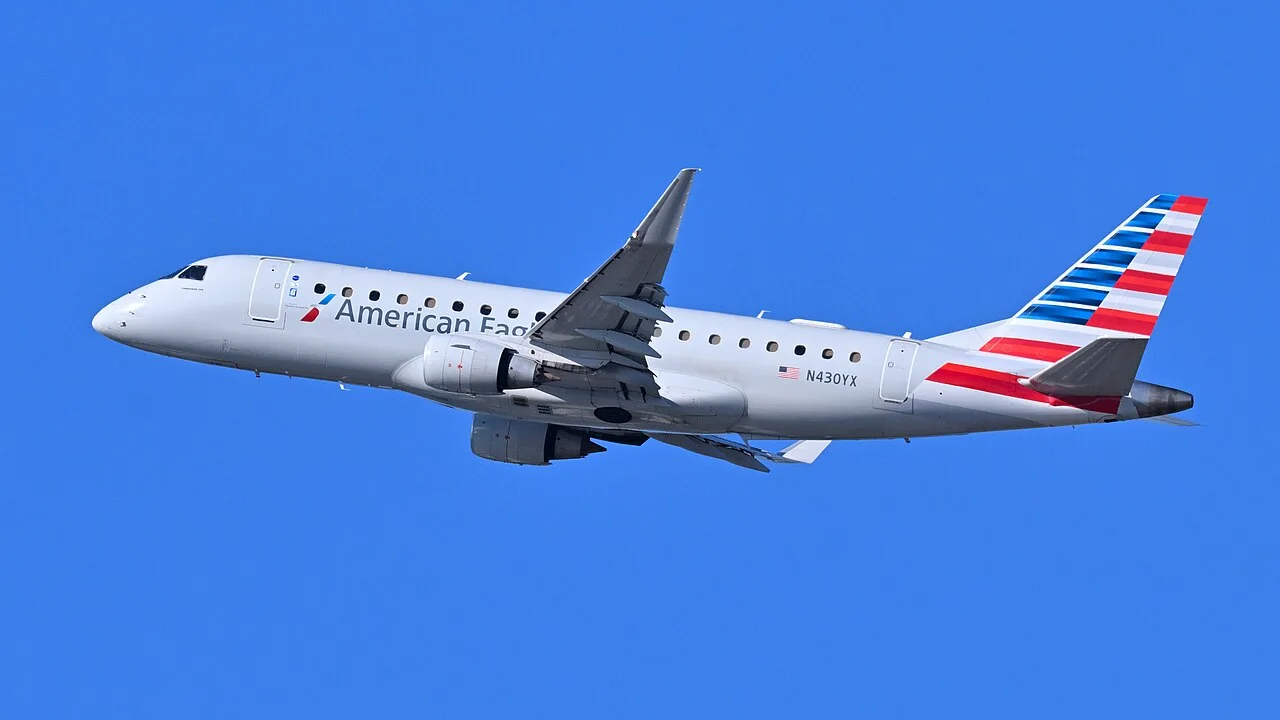
Finished aircraft from Brazil are currently exempt from this Section 301 action. USTR proposes ending that exemption and imposing a 10% value-based duty.
Comments open November 27. Requests to testify, including a testimony summary, are due December 7; written comments are due December 30. The hearing is scheduled for January 14, 2027.
Submissions go through USTR's comment portal. Use docket USTR-2026-0628 for written comments and USTR-2026-0629 for hearing requests.