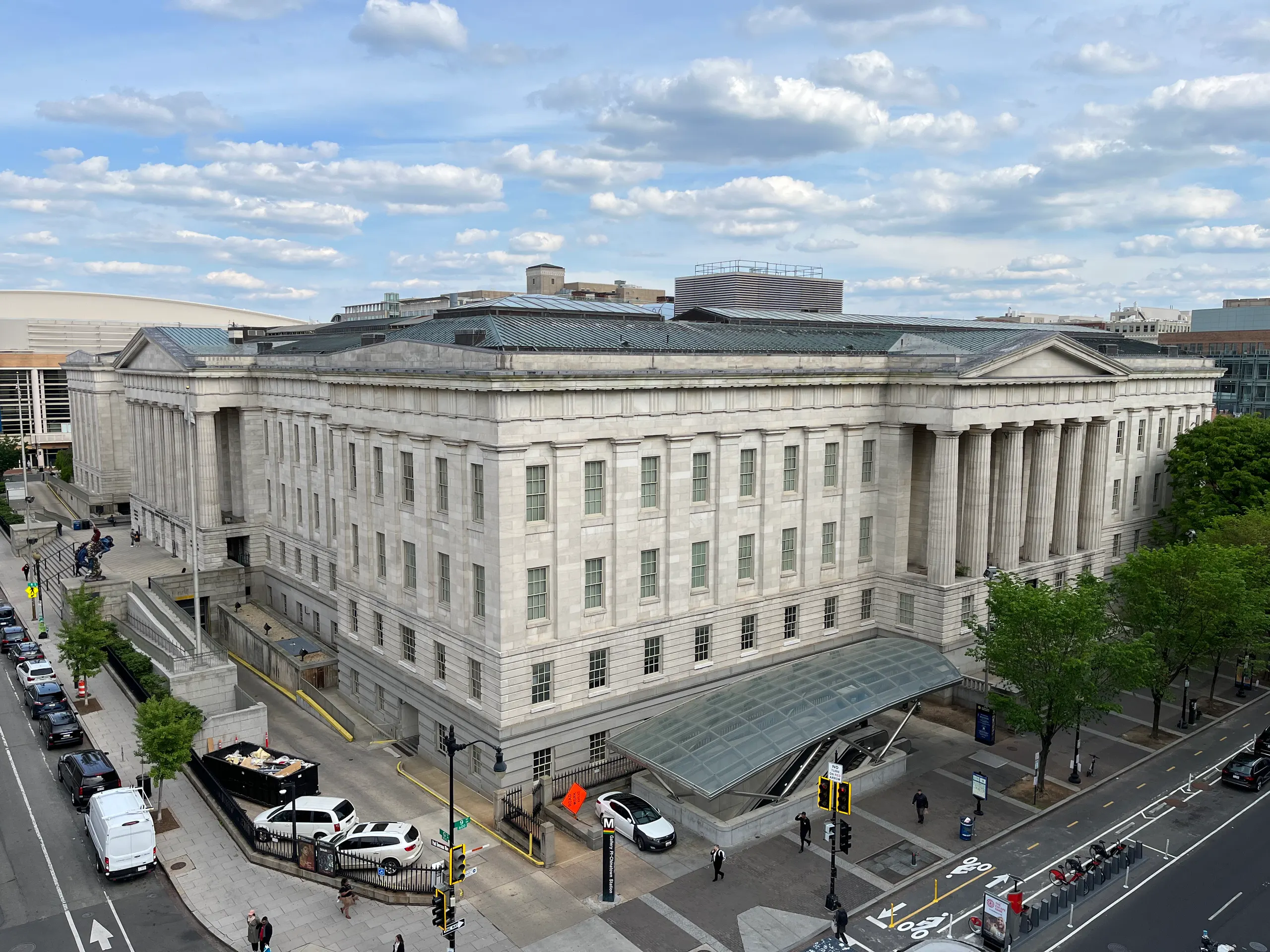
When the National Portrait Gallery opened in Washington, D.C., in 1968, Congress had given it a narrow definition of what counted as a portrait. A painting of Abraham Lincoln qualified. So did a bust. A photograph taken while Lincoln was alive fell outside the museum's collecting mandate. Eight years later, Congress rewrote the definition.
Photographic Memory: Fifty Years of Collecting, opening Saturday, November 14, traces what the gallery collected after that change. Photographs now make up nearly half of its holdings. The exhibition draws on more than 120 works, from early daguerreotypes to digital-era prints. Two portraits made less than 20 years apart show how much range photography already had in the nineteenth century.
Why Congress changed the definition
The National Portrait Gallery Act of 1962 defined portraiture as painted or sculpted likenesses. A congressional report traces the restriction to the Librarian of Congress, who worried that the new gallery would compete with the library for prints and photographs. By 1975 the acting librarian supported removing the restriction, and the Smithsonian had asked Congress for the change.
In February 1976 a federal amendment changed the law to allow portraits and reproductions made through any process. The amended definition applies to techniques that had yet to be invented, too. That wording makes room for the two ends of the exhibition's timeline: an 1843 daguerreotype of John Quincy Adams and a 2020 inkjet portrait of chef José Andrés. In the first, the image is on a metal plate. In the second, a printer put an image from a digital file onto paper.
John Brown on a silvered plate
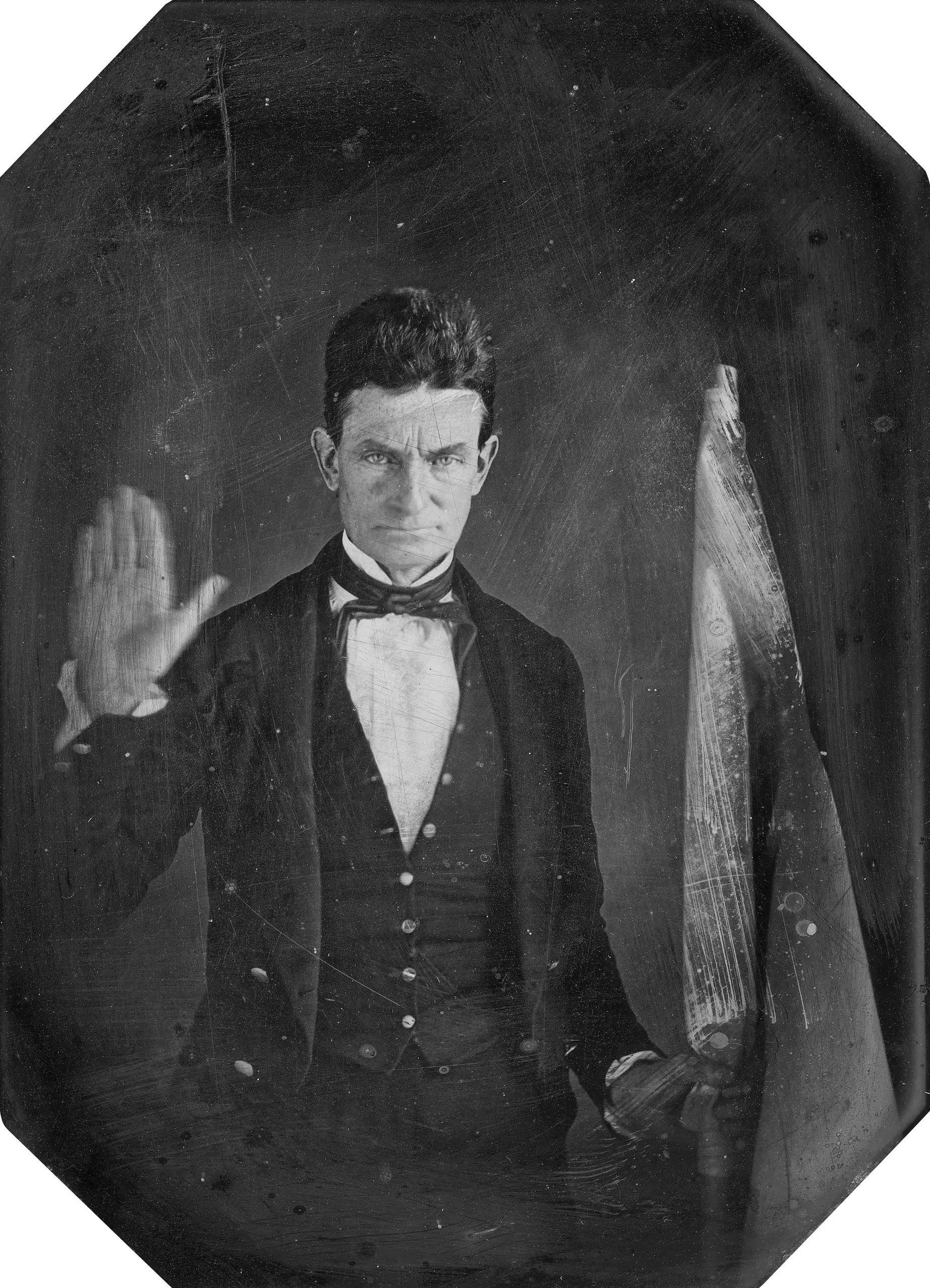
Around 1846 or 1847, Augustus Washington made the earliest known portrait of abolitionist John Brown. Brown raises one hand and holds a banner with the other. The portrait is reproduced here at a much larger scale than the original. Brown’s face and hands fit on a quarter plate, a standard size of roughly three by four inches.
Washington took up photography to help pay his way at Dartmouth and opened a studio in Hartford, Connecticut. The son of a formerly enslaved man, Washington shared Brown's opposition to slavery. His own life took a different course. In 1853 he moved with his family to Liberia. Brown remained in the United States, where his raid on Harpers Ferry came more than a decade after the sitting.
The crack across Lincoln's portrait
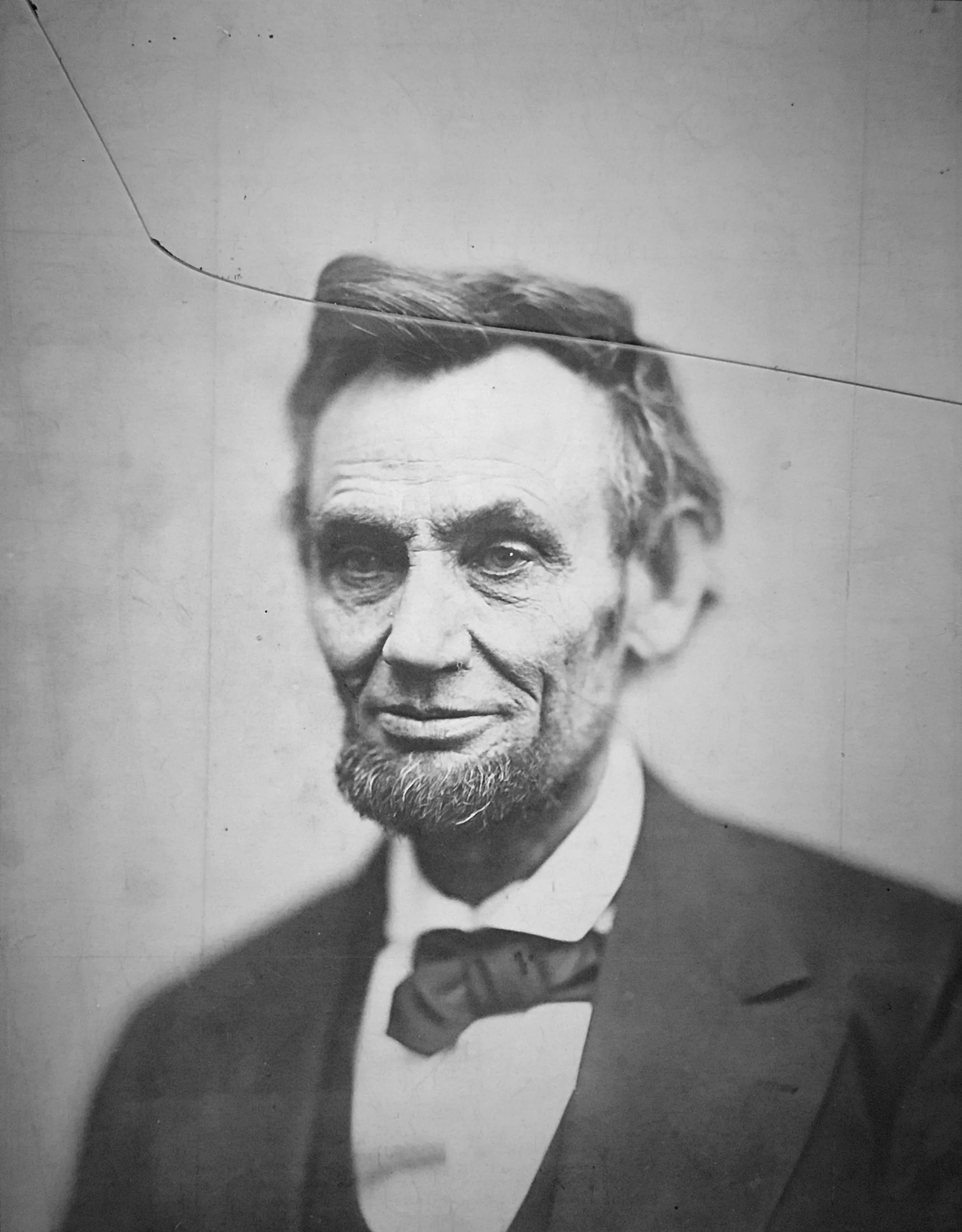
Alexander Gardner photographed Lincoln in February 1865, about two months before the president was assassinated. A thin line cuts across the upper part of the image. It came from a crack in the glass negative, possibly when the plate was heated for varnishing. In Gardner's process the glass negative was separate from the paper print, so a fracture in the glass left a line on the portrait that came from it.
This photograph shows Lincoln seated, facing the camera, with his hands low in the frame. Brown's raised hand is central to Washington's composition. The two pictures were made for different sitters and with different tools. Putting them side by side makes it possible to see the choices the photographers made and the marks their materials left behind.
How to see the exhibition
The show runs through November 7, 2027, in the West Galleries on the second floor. The National Portrait Gallery is at Eighth and G streets NW in Washington, D.C. Admission is free, no passes are required and regular hours are 11:30 a.m. to 7 p.m. If you're following from home, the gallery also has an archive entry about its acquisition of the Lincoln portrait and an online record for the Brown daguerreotype. The exhibition also includes the recently acquired photograph of Dolley Madison.