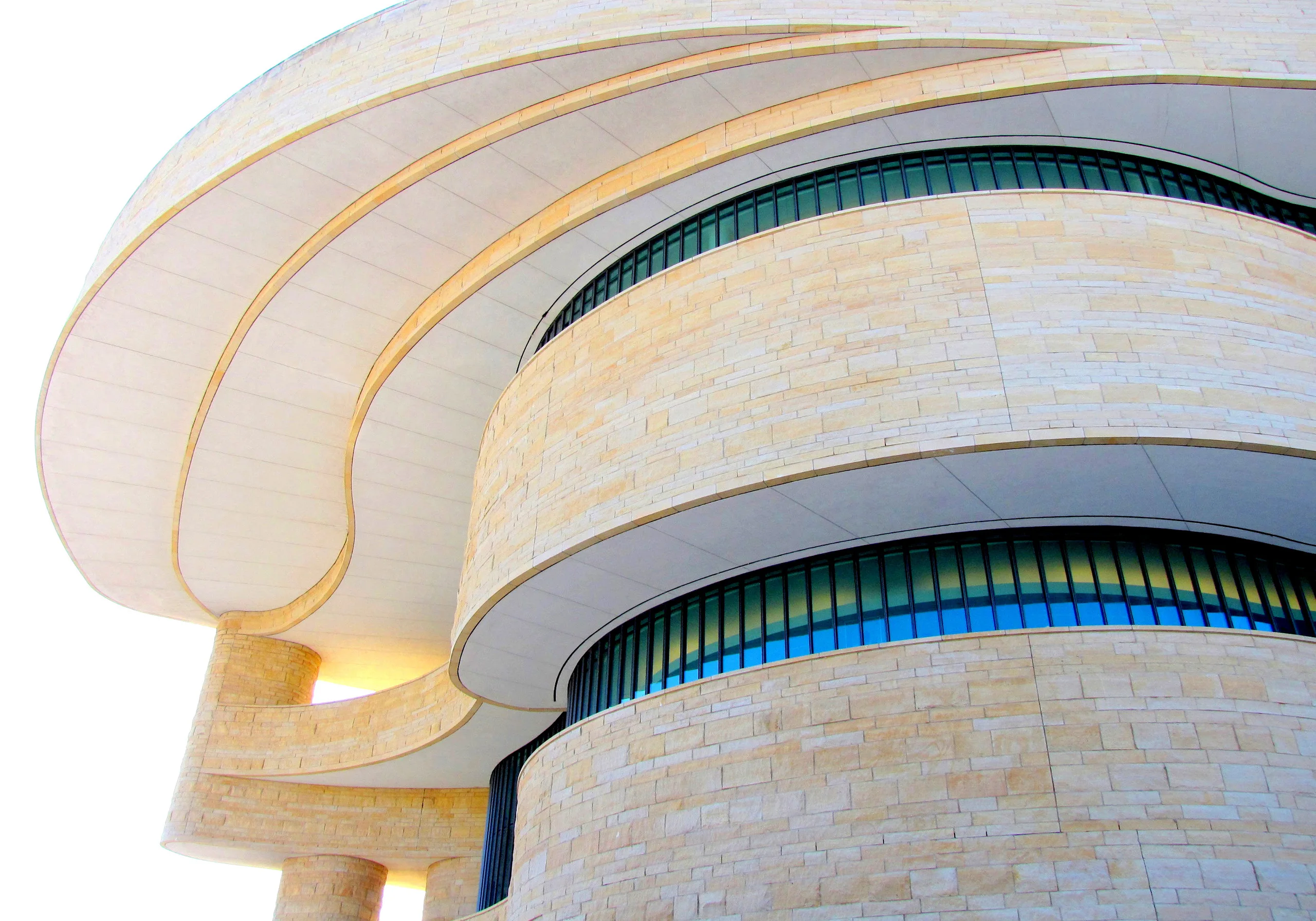
Two documentaries streaming free in the Smithsonian’s Native Cinema Showcase follow young Native athletes whose sports take them back to the sites of former boarding schools. In Leya Hale’s Medicine Ball, two basketball players attend college on the grounds of one of those schools in Minnesota. In Paige Bethmann’s Remaining Native, a Nevada high school runner retraces the route his great-grandfather took to escape another. The showcase opened Friday, Nov. 13, and runs through the Friday after Thanksgiving.
Medicine Ball follows two college basketball players in Minnesota
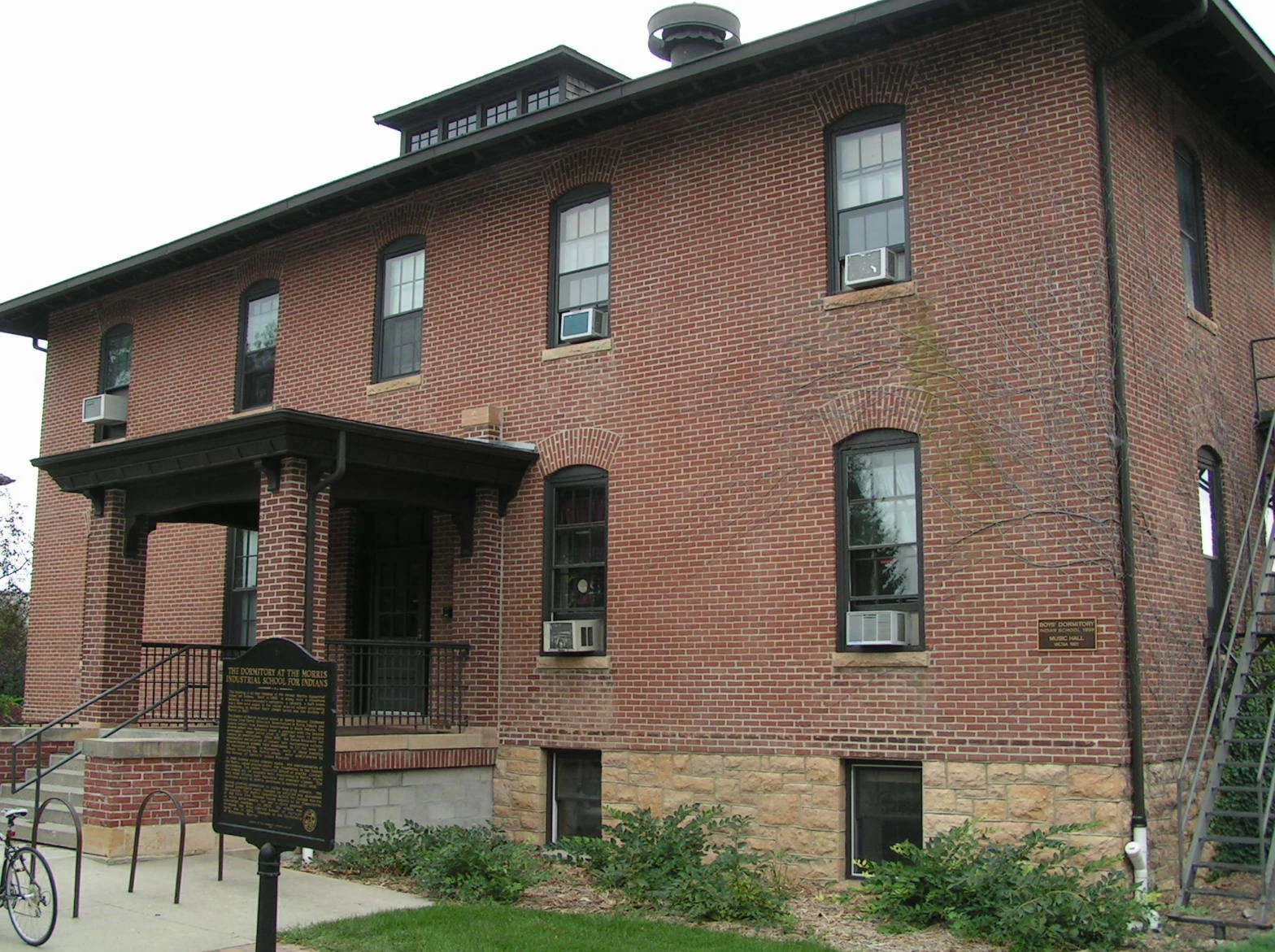
Lexus Redthunder and LeRoy Staples-Fairbanks IV play basketball at the University of Minnesota Morris, on a campus where the federal government once ran the Morris Industrial School for Indians. Hale, who is Sisseton Wahpeton Dakota and Diné, follows the players through school and competition. Dakota historian Syd Beane helps connect their experiences to the history of basketball in Native communities. In the Minnesota PBS trailer, Redthunder is asked how she learned that her great-grandmother attended the Morris school.
The university’s account of the boarding schools in Morris traces the first school on the site to 1887, when the Sisters of Mercy operated it under contract with the U.S. government. The government took over in 1897. The campus archives identify a former boys’ dormitory, built in 1899, as the only surviving campus building from the boarding school years. The university opened its public liberal arts campus there in 1960 and continues to waive tuition for eligible Native American students under a federal mandate.
Hale discusses the relationship between the players and that campus history in an MPR News interview. Her film follows a team sport and asks how a game played at boarding schools came to have a place of its own in Native communities. Vision Maker Media also has an official trailer. The Smithsonian lists its showcase screening at 80 minutes. Minnesota PBS lists a 56-minute version with closed captions and a Dec. 10 expiration.
Remaining Native follows a runner in Nevada
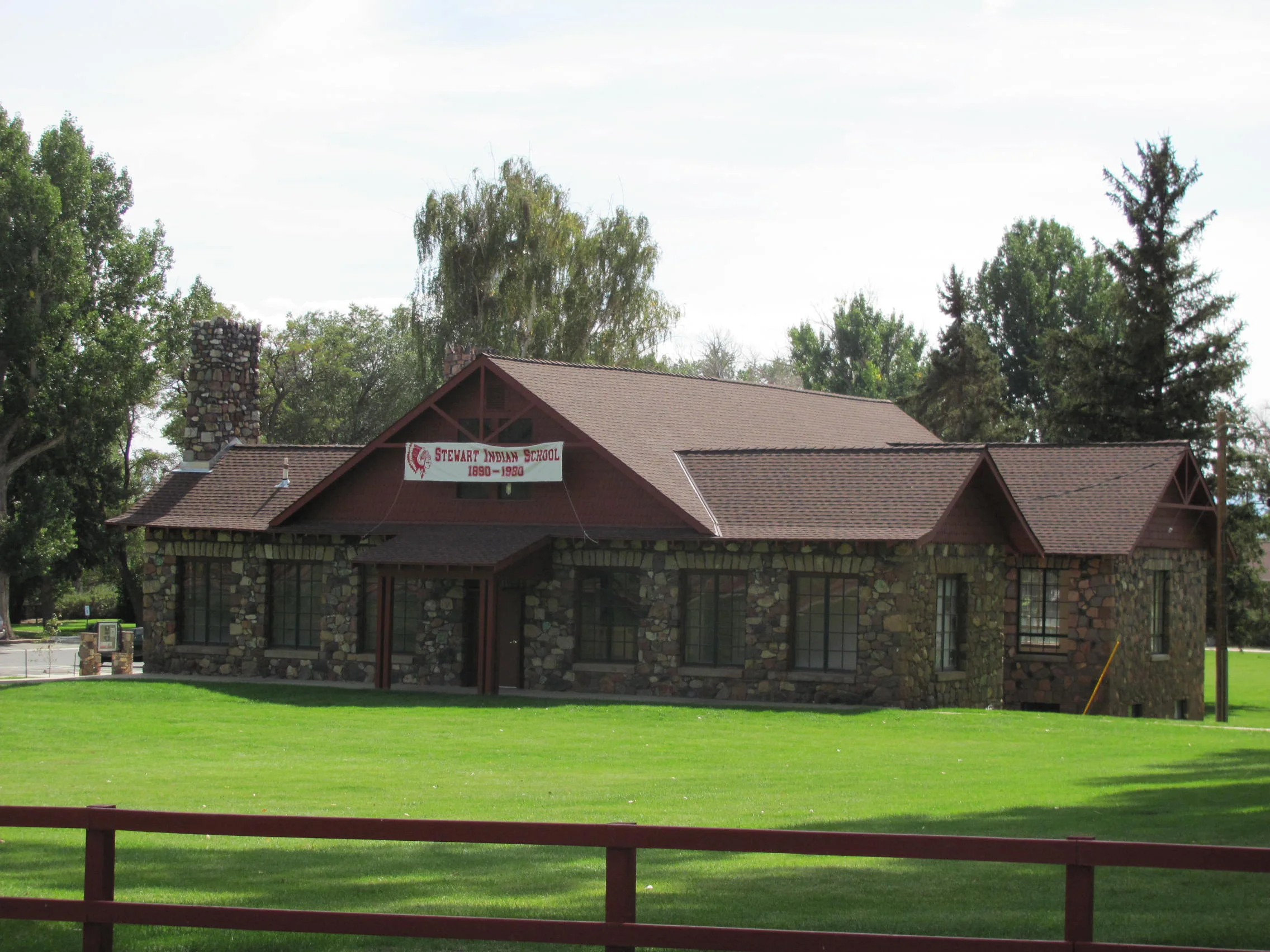
Kutoven “Ku” Stevens is 17 when Bethmann’s film follows his effort to run a college qualifying time. He lives on the Yerington Paiute Reservation and is the only cross-country runner at his high school. His great-grandfather, Frank Quinn, was eight when he escaped the Stewart Indian School in Carson City. He went about 50 miles on foot to reach home. The film’s Remembrance Run page traces the 2021 event back to Quinn’s route from the school to the reservation.
Where Medicine Ball follows teammates on a campus they attend, Remaining Native follows a solo runner who brings other people onto a route from his family’s history. The Nevada Department of Native American Affairs dates the federal school’s operation from 1890 to 1980. The former campus now houses a cultural center and museum. It also hosted an outdoor screening of Bethmann’s film in 2025, according to the state’s event notice.
Bethmann is Haudenosaunee. Her documentary made its premiere at SXSW in 2025, where it won a special jury award and an audience award, according to the production team’s festival record. The Smithsonian lists Remaining Native at 87 minutes with closed captions.
How long the free streams are available
The Native Cinema Showcase closes at 5 p.m. Eastern, 2 p.m. Pacific, on Friday, Nov. 27. Both films are in the U.S. program. Remaining Native is the one selection in the showcase with geographic restrictions, so readers watching outside the country should check the film page for availability. For a double feature, the museum’s listed runtimes add up to two hours and 47 minutes. If you’re choosing one to watch before Thanksgiving weekend, Remaining Native has the earlier confirmed cutoff. Minnesota PBS lists Medicine Ball into December.