
The earliest known photograph of a U.S. first lady is about the size of a playing card. It shows Dolley Madison in a white cap, looking straight into the camera. The Smithsonian’s National Portrait Gallery bought the daguerreotype in 2024. On Saturday, Nov. 14, it goes on public view for the first time since the museum acquired it, alongside the earliest known photograph of a U.S. president.
The pairing opens Photographic Memory: Fifty Years of Collecting, a free exhibition of more than 120 portraits in Washington, D.C. The museum began collecting photographs in 1976, the year of the U.S. bicentennial. They now account for nearly half its holdings. The show starts with the earliest photographic processes and runs through digital work, giving as much attention to who made the portraits as to who sat for them.
Two portraits from the 1840s
John Plumbe Jr. photographed Madison around 1846, decades after she had lived in the White House. The visible image measures 3⅜ by 2⅝ inches. It is a quarter-plate daguerreotype, a photograph made directly on a silver-coated copper plate. The museum paid $456,000 for it at a Sotheby’s auction. The photograph survives in its original leather case.
Philip Haas photographed John Quincy Adams in Washington in 1843, when the former president was serving in the House of Representatives. His portrait is a half-plate daguerreotype, with a visible image about five and a half inches tall. Adams recorded the visit in his diary, including the cold walk to Haas’s studio and the photographer’s decision to take his picture three times. The museum says only one of the three original plates from that sitting is known to survive. Saturday’s exhibition marks the first time the Madison and Adams photographs have been shown together. In a short Smithsonian video, curator Ann Shumard opens Madison’s case and explains what makes the portrait rare.
A later portrait carries a different kind of trace from the studio. In Alexander Gardner’s 1865 photograph of Abraham Lincoln, a line cuts across the picture where the glass negative cracked. Gardner made the portrait roughly two months before Lincoln was assassinated.
Ida B. Wells and the cabinet card
By the time Sallie E. Garrity photographed Ida B. Wells around 1893 in Chicago, a studio portrait could be made as a paper print and mounted on a card. The lower edge of Garrity’s cabinet card still carries her studio’s imprint. Where the daguerreotype is itself a unique plate, a photographer working from a negative could make multiple prints for a sitter to keep or give away.
Wells had already begun investigating lynchings in the South when she sat for the portrait. After a friend was lynched in Memphis in 1892, she gathered eyewitness accounts and searched records to challenge the false claims used to justify the violence. The Library of Congress traces that reporting from her Memphis newspaper to the pamphlets she published after she was forced to leave the city.
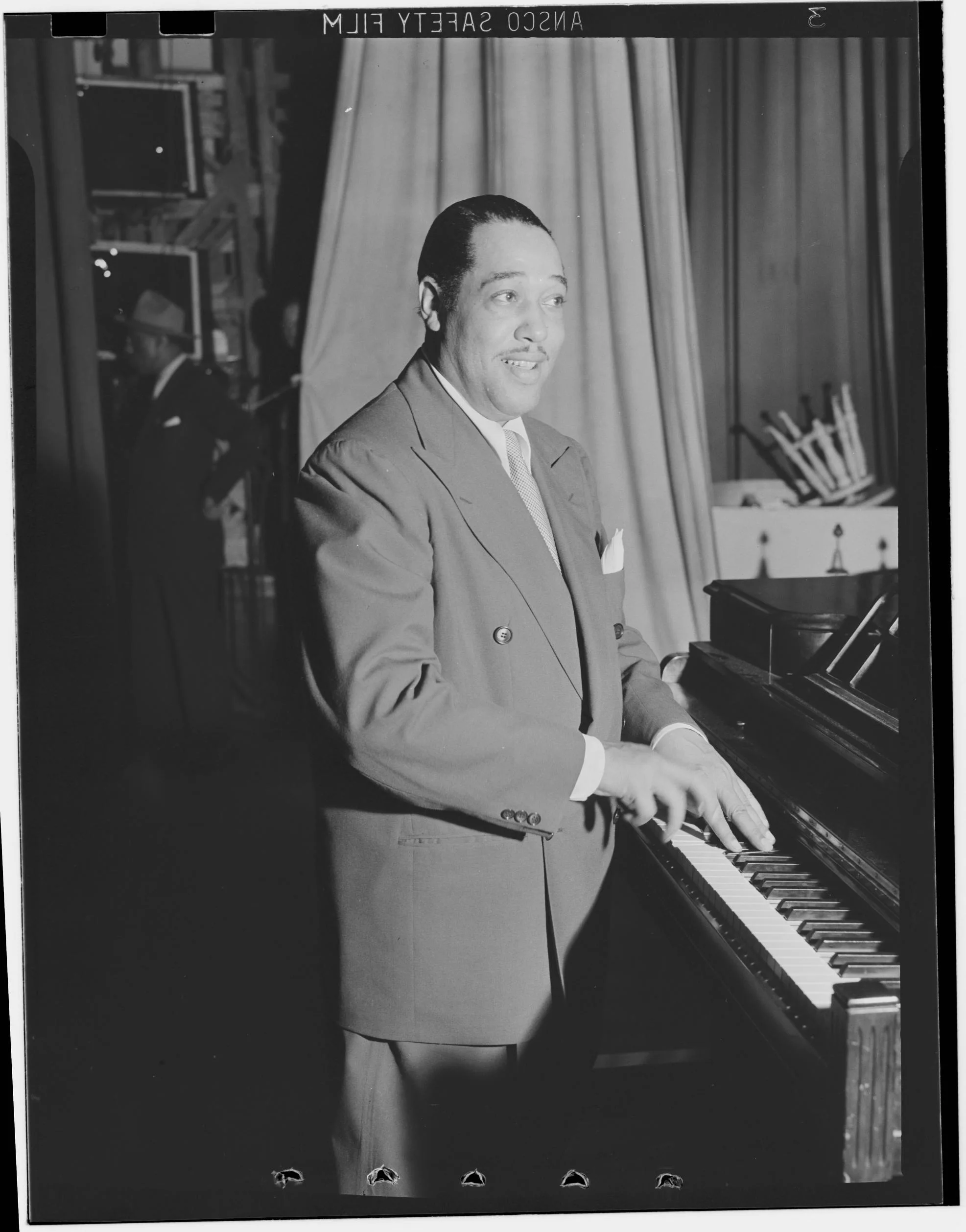
Later portraits show people whose faces reached a wider audience through newspapers and television. Diane Arbus photographed James Brown, and Annie Leibovitz photographed Venus and Serena Williams. The museum says Shawn Theodore’s portrait of poet Amanda Gorman and Herb Ritts’s portrait of actor Christopher Reeve are making their exhibition debuts. A catalog by curator Ann Shumard is due in spring 2027.
Visiting the National Portrait Gallery
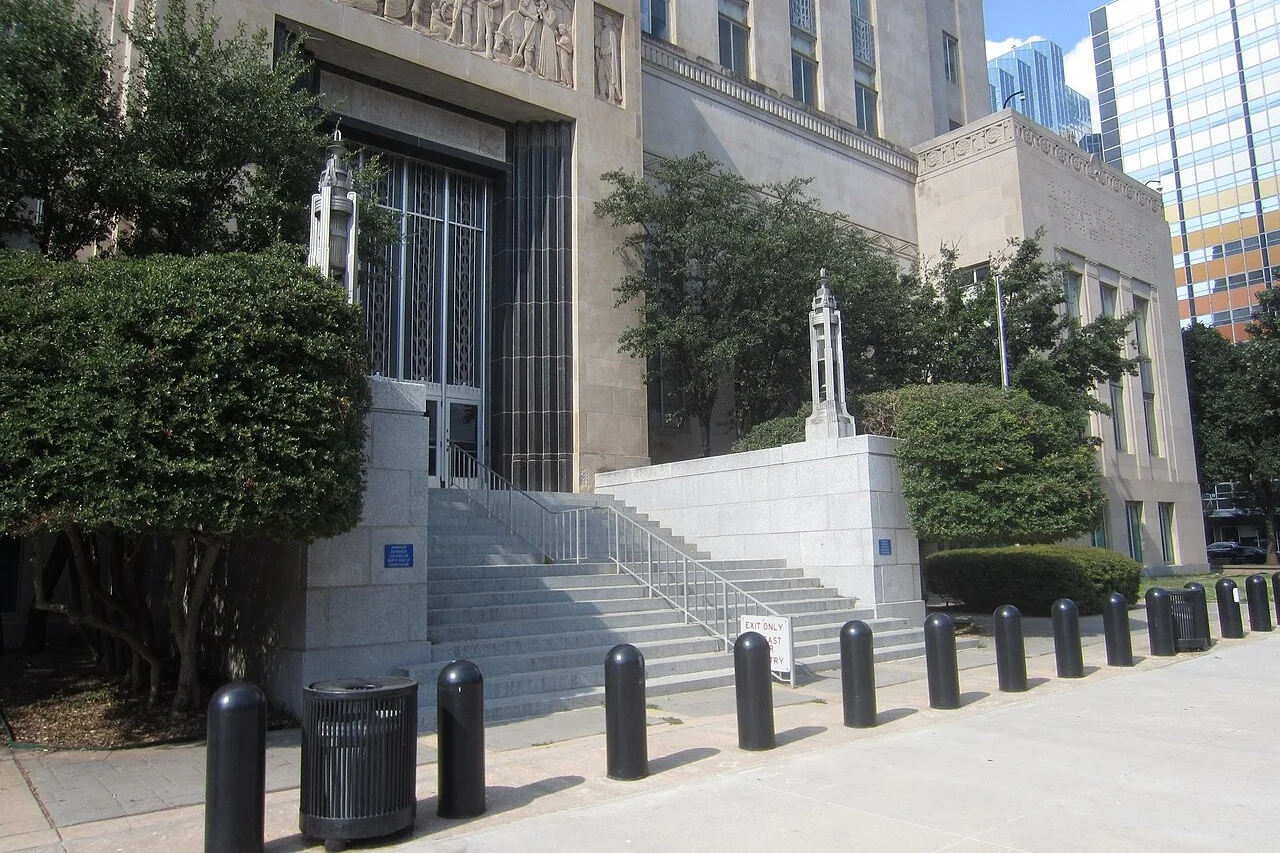
The exhibition runs through Nov. 7, 2027, in the west galleries on the second floor. The National Portrait Gallery is at Eighth and G streets NW and is open daily from 11:30 a.m. to 7 p.m., except Christmas Day. Admission is free and no pass is required. The Gallery Place/Chinatown Metro station serves the Red, Green and Yellow lines. Use the Ninth Street exit for the museum.