Veterans and their families could have more places to get help with benefit claims under a Department of Veterans Affairs proposal in the Nov. 16 Federal Register. The plan would let states and Tribal organizations compete for grants to expand outreach, hire county or Tribal veterans service officers, and cover travel and transportation that supports that work. VA is taking comments through Dec. 16.
The Dole State and Tribal Outreach Grant Program would fund the organizations that provide help. Veterans, spouses, children, and parents could use services funded by a grant if a recipient offered them locally. The proposal itself awards no money, opens no grant application and creates no new eligibility for VA benefits. Read the proposed rule
Where the grants could make a difference
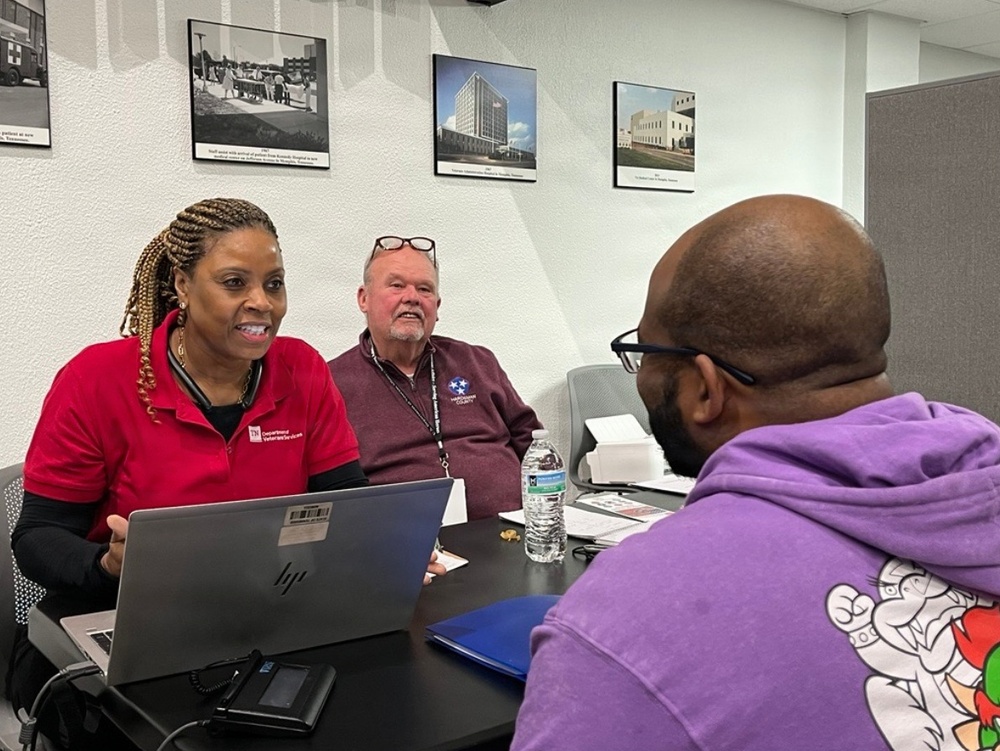
A county or Tribal veterans service officer can help a veteran understand which benefits may apply, gather documents and navigate the claims process. A parent or surviving spouse may need a different set of records and forms. The proposal would also allow recipients to refer people to local services and help them work through several needs at once. The VA would still decide federal benefits claims.
The law authorizing the grants gives priority to areas with critical shortages of county or Tribal service officers, as well as areas with high rates of veteran suicide or referrals to the Veterans Crisis Line. Applicants would have to explain how they would distribute money across counties or Tribal lands with different levels of urbanization and how they would reach older veterans and other underserved groups, including American Indian, Alaska Native and Native Hawaiian veterans. The law reserves at least 5% of available grant funds for Tribes.
Grants could support existing outreach, pay for additional officers or cover travel and transportation for those activities. They could also help government employees train for VA accreditation. Where a state or Tribe has no county or Tribal service officer, or officers cover only part of the area, the law lets VA approve another state, local or Tribal government entity to carry out outreach. The proposed rule bars recipients from charging participants for grant-funded services or requiring them to join other activities the recipient sponsors to receive help.
What offices would need before applying
The proposed grants would run for up to two years. VA would announce the total money available, maximum award, scoring criteria and application schedule in a later notice on Grants.gov when funds are available. State governments and eligible Tribal organizations would apply. A county office interested in adding staff can use the proposal to identify gaps and talk to its state veterans agency while the rule is open for comment.
The Dec. 16 deadline applies to comments on the proposed rules. The federal notice gives instructions for submitting comments under docket VA-2026-VBA-0397. Veterans and local offices can describe practical gaps, such as how far someone has to travel to reach an accredited representative or how often a county can offer appointments. Public comments are a poor place for claim numbers, medical details or other personal records.
Where to find free claims help now
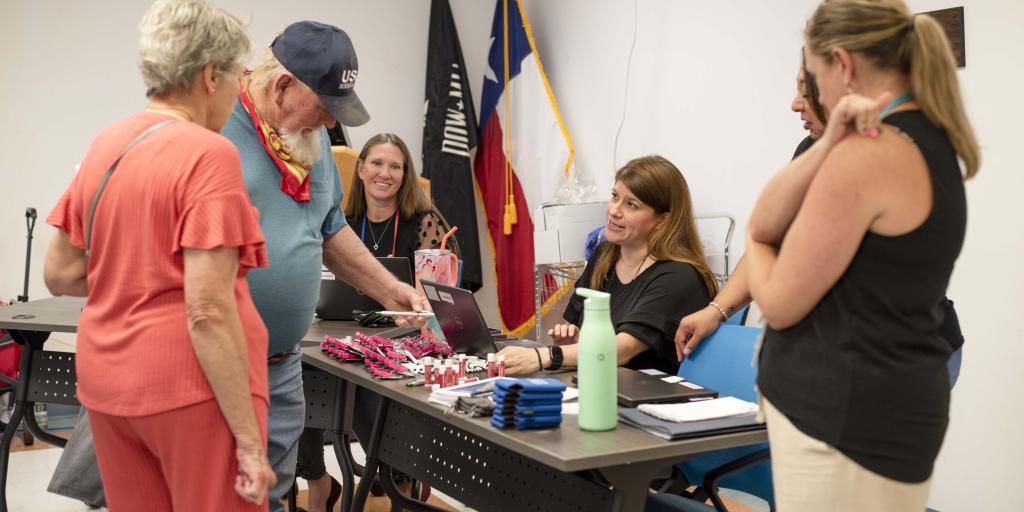
Veterans and families can use the VA’s accredited representative search to look for help near them. VA says accredited representatives with veterans service organizations provide free help on VA benefit claims. Accredited attorneys and claims agents can charge fees in circumstances where VA rules allow them. A county or Tribal veterans office can also explain what help it provides and whether a representative can meet remotely or at a nearby location.
If you already have a claim to file or an appeal deadline, use existing help. The proposed grants have no start date and do not change the deadline on a benefit decision.