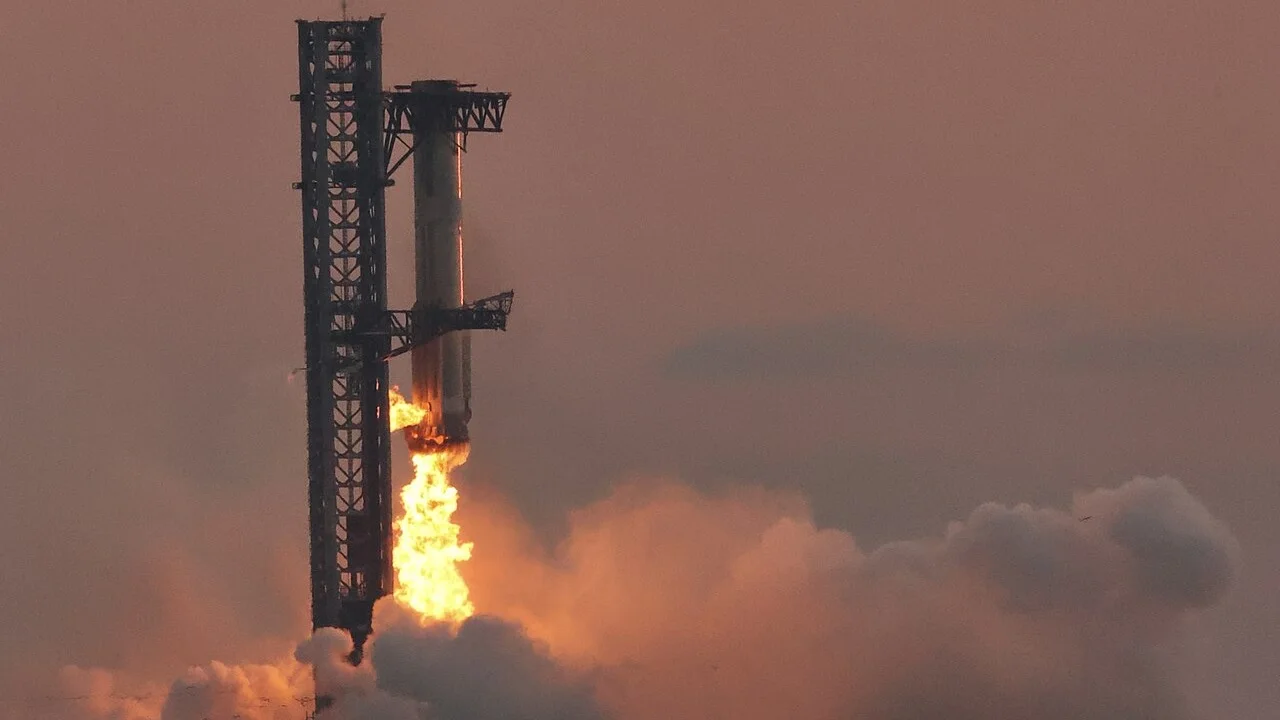

United Launch Alliance’s Vulcan rocket lifted off from Cape Canaveral, Florida, at about 12:40 p.m. Eastern on Sunday with 40 Amazon Leo satellites aboard. It was the first Vulcan launch in roughly nine months and its first carrying satellites for Amazon’s broadband network. The official launch log confirmed liftoff and the start of the upper stage’s flight.
The takeoff followed two earlier delays. The 40 satellites are Amazon’s largest Leo batch on a single rocket. Satellite release comes later in the mission. Until ULA or Amazon confirms it, the 40 are a payload count.
What happens to the 40 satellites

ULA’s mission plan called for satellite release to start about 70 minutes after liftoff, around 1:50 p.m. Eastern, with about 25 minutes for deployment. The flight ended without delivering the mission to orbit. The launch and deployment are separate milestones from offering internet plans to customers.
Amazon says this is the first of 38 Leo flights it booked on Vulcan. Its first production mission carried 27 satellites aboard an Atlas V in April 2025. Sunday’s Vulcan flight carried 13 more satellites than that first batch. Amazon booked a series of Vulcan flights to expand the network. Vulcan gives Amazon another way to send batches to orbit while it also uses Arianespace and other launch providers. In June the Federal Communications Commission granted a limited waiver that allowed Amazon to keep deploying after missing a July milestone for its first-generation network. The agency said it saw value in adding another large satellite broadband provider for underserved areas in the United States.
What readers can check about service
Amazon began a limited enterprise preview in November 2025. In its latest quarterly results, it said an initial service rollout was still on track for later this year. The same release announced a partnership with AT&T to offer the network to enterprise and public-sector customers. Neither announcement gives a date or price for general U.S. home subscriptions. For anyone considering the service at home, the information to watch is where orders open, what the hardware costs and what customers pay each month.
Amazon lists its next flight on an Arianespace rocket for no earlier than Nov. 23. The company says it expects larger satellite batches on future Vulcan flights, with the number depending on the configuration it flies.