A holiday-shopping search can lead to a convincing store that exists to steal a payment or a password. The Federal Trade Commission's Nov. 19 warning says scammers buy search ads that can appear beside legitimate businesses or above ordinary results. A prominent position alone gives shoppers no assurance about the seller.
The agency recommends going directly to a company's known website when possible and investigating an unfamiliar seller before buying. The checks continue at checkout: the payment method, delivery promise and records you keep affect what you can do if the purchase goes wrong.
Check the destination before signing in
The FBI's account-takeover guidance describes ads that copy a legitimate company's identity and send people to a lookalike login page. The web address may be slightly misspelled. Criminals can collect credentials there, then impersonate support staff to ask for a one-time authentication code.
Use an established bookmark or type a known address to reach an account. Keep multifactor authentication enabled and use a different password for each account. If an unexpected caller asks for a password or code, end the conversation and contact the company independently. The FBI warns against trusting caller ID.
Customer-service phone numbers in search results need checking, too. The FTC's earlier search-scam guidance says a scammer can place a phone number beside a trusted company's name. Use contact information from an existing bill or the business's verified website.
Read the delivery and return terms

An unfamiliar store needs more scrutiny than a familiar logo. The FTC's online-shopping guidance recommends checking several sources for customer experiences. Star ratings alone can mislead because reviews may be fabricated or incentivized.
Compare the exact model and the full checkout cost, including shipping and fees. Read whether the item is refurbished or clearance merchandise. A low advertised price may require buying something else.
Check who pays return shipping, the return deadline and any restocking fee. Sale items can have different policies. For a gift, a return window that closes before the recipient opens it can make an otherwise attractive offer less useful.
Under the FTC's shipping rule, a seller must ship by its promised time. Without a stated shipping time, the usual deadline is 30 days after placing the order. A shipping deadline and an arrival date are different promises. If shipment is delayed, the seller must offer a choice between agreeing to the delay and canceling for a full refund.
Keep the purchase and payment records
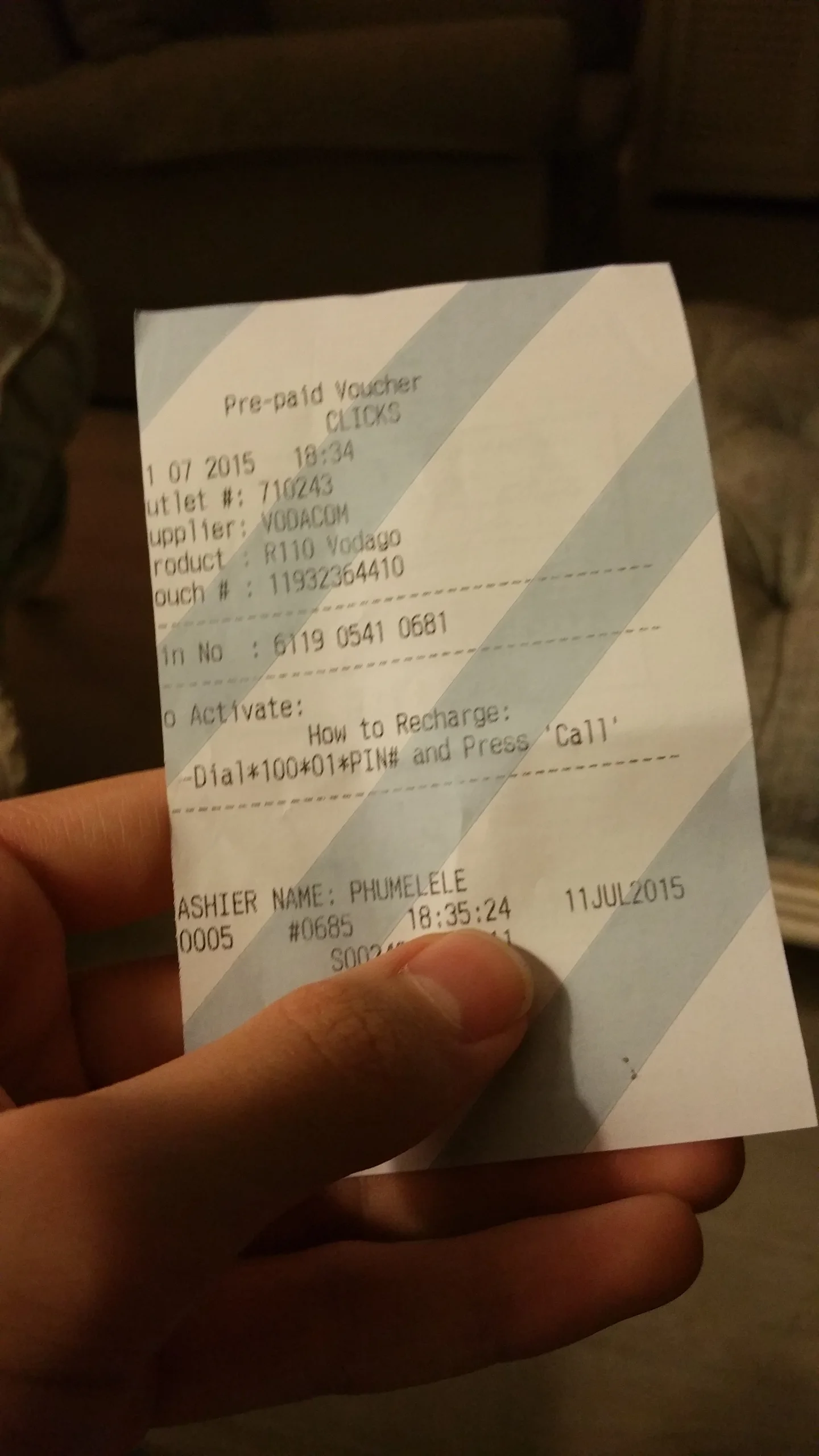
Keep the seller's name and website, order confirmation, amount paid, delivery promise and return policy, along with messages and the statement showing the payment. Save the terms that influenced the purchase, so you can explain the problem if a dispute becomes necessary.
The FTC recommends paying by credit card when possible. HTTPS protects the connection, but a scam site can use encryption, too. Avoid sellers that insist on gift cards, cryptocurrency, wire transfers or payment apps as the only way to pay.
Debit-card protections differ. The FTC warns that a refund for an undelivered or wrong item may not be available; contact the bank promptly about any voluntary protections it offers.
Act on a disputed charge promptly
The Consumer Financial Protection Bureau says to call the card issuer immediately about a billing problem and also send a written billing-error notice within 60 calendar days after the issuer sent the first statement showing the error. Keep a copy and dates of follow-up calls. The clock is tied to the statement, rather than the date you finally decide a seller has disappeared.
The issuer generally must acknowledge the written dispute within 30 days unless it has already completed the required resolution process. Paying the bill does not prevent a dispute, though a refund may wait for the decision. Defective merchandise can require a different process from a billing error.
For other payments, the FTC's recovery instructions identify whom to contact: the bank for a bank transfer, the payment app for an app payment, or the gift-card issuer for a gift-card scam. Report the payment immediately and ask about reversal or a refund. Recovery is not guaranteed. If you also disclosed a password, change it and any other account that reused it.