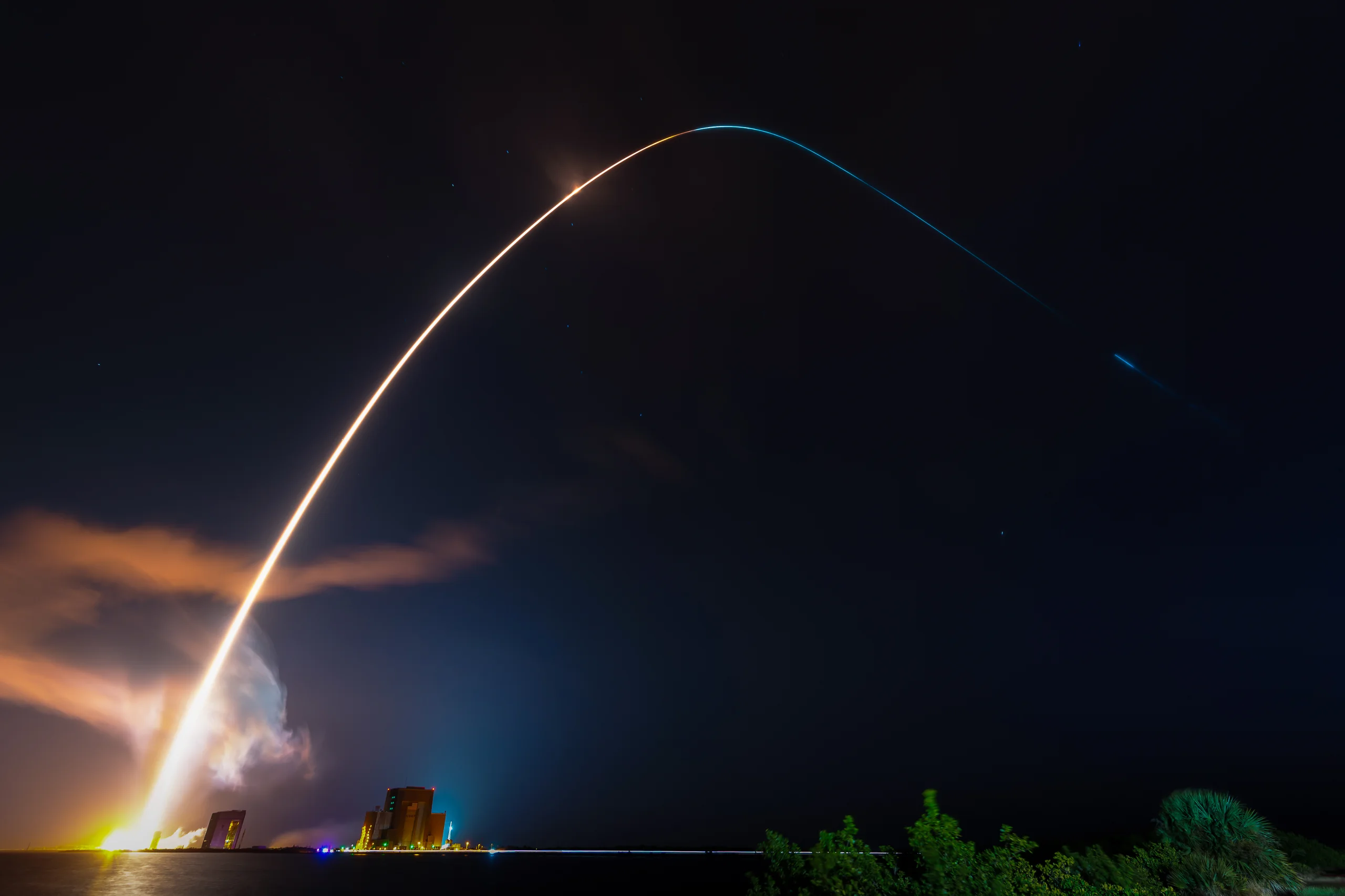
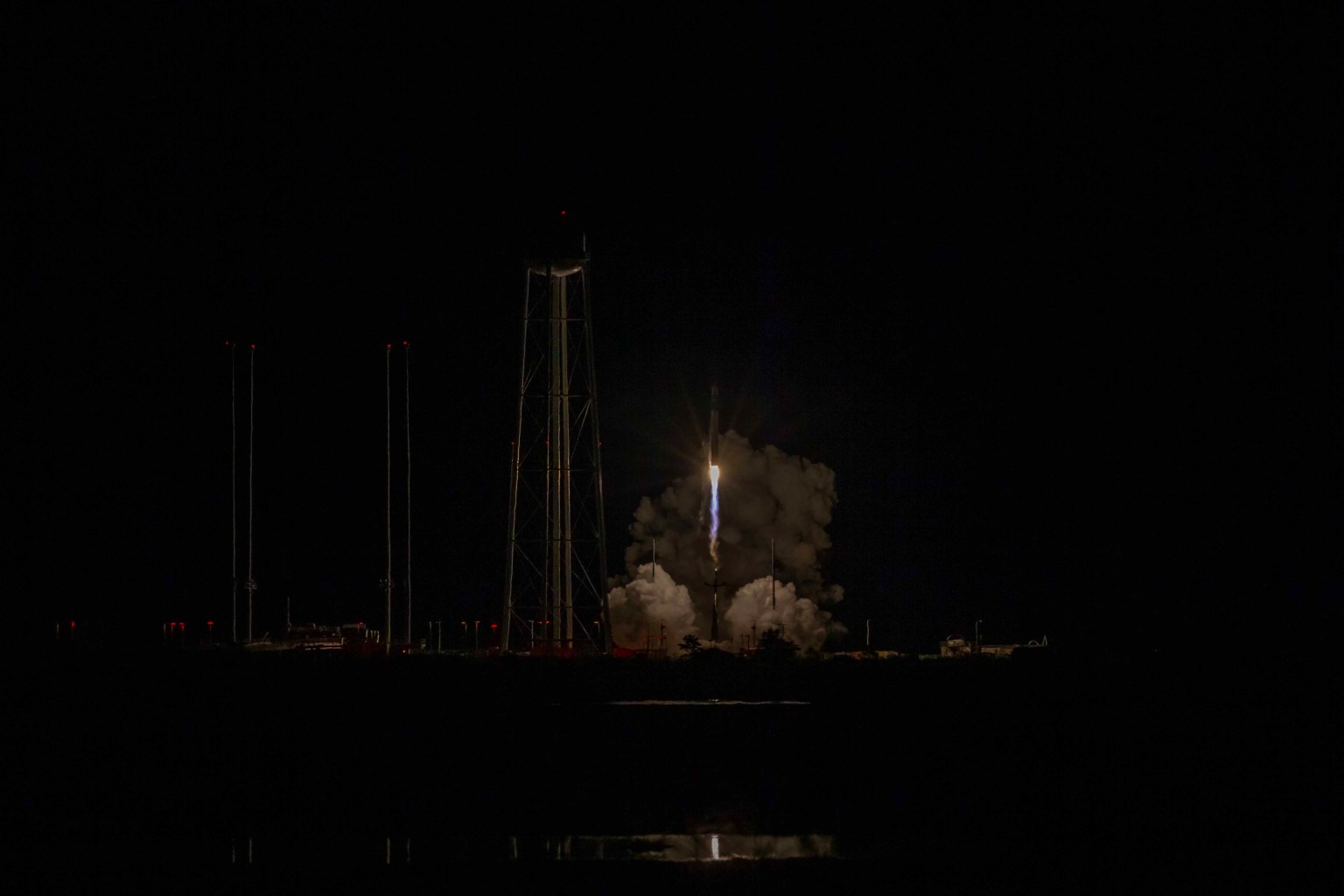
Rocket Lab completed its 100th Electron launch Friday night Pacific time, placing a Japanese radar satellite in orbit on a flight from New Zealand. The company, based in Long Beach, California, has used the same small rocket to put NASA storm-monitoring satellites into orbit and send a spacecraft toward the Moon. Dedicated flights gave those missions more control over where and when the spacecraft were deployed.
The 100th flight lifted off from the Māhia Peninsula at 6:30 p.m. Saturday, Nov. 14, local time. That was 9:30 p.m. Friday on the U.S. West Coast and 12:30 a.m. Saturday on the East Coast. Rocket Lab said it placed the satellite about 357 miles above Earth. Its operator, the Institute for Q-shu Pioneers of Space, confirmed that the satellite separated roughly 50 minutes after liftoff and made initial contact about eight minutes later. Rocket Lab has posted the launch replay.
What the radar satellite will see
The satellite, named YAMATSUMI-II, carries a synthetic aperture radar. Unlike a camera that depends on sunlight, the instrument sends its own radar signals and measures their return. That lets it observe the ground at night and through clouds. When clouds hide the surface in a conventional satellite image, radar can still pick out features such as changes in the extent of standing water.
The Japanese operator confirmed that the satellite opened its radar antenna after making contact. It plans to calibrate the instrument before collecting its first Earth observations. This was Rocket Lab’s 11th Electron mission for the operator. Rocket Lab says the customer has booked another seven dedicated flights through 2030, as it builds a constellation designed to revisit the same places more often.
What NASA has launched on Electron

A small satellite can share a flight with other spacecraft, but the mission may be tied to the main payload’s destination or departure date. A dedicated rocket gives the customer more control over both. NASA used two Electron flights from Māhia in May 2023 to launch its four TROPICS storm-observing CubeSats, two at a time. The instruments measure microwave emissions to study temperature, moisture and precipitation in tropical cyclones. NASA designed the constellation to pass over a given storm about once an hour. When it announced the first launches, NASA compared that with about once every six hours for existing tracking satellites. The shorter gap lets researchers follow developments between passes as a cyclone forms or strengthens.
The rocket also launched NASA’s CAPSTONE spacecraft from New Zealand in June 2022. That mission tested the elongated orbit NASA plans to use for Gateway, a station intended to support Artemis lunar missions. CAPSTONE used a dedicated flight and an additional stage that sent it from Earth orbit toward the Moon. The spacecraft entered lunar orbit in November 2022. On each pass, the orbit brought it within about 1,000 miles of one lunar pole and carried it roughly 43,500 miles from the other at the far end. For another NASA milestone this month, see Voyager 1’s approaching one-light-day mark.
A second launch site in Virginia

Electron’s first U.S. flight lifted off in January 2023 from the Mid-Atlantic Regional Spaceport at NASA’s Wallops Flight Facility. NASA said it was also the first flight of an agency-developed automatic safety system designed for use by multiple launch providers. The system can end a flight if a rocket strays outside safe limits. Wallops gave Electron customers a U.S. departure point alongside the company’s original site in New Zealand.
The milestone counts Electron flights, including its first test in 2017, which fell short of orbit. Its next launch, in January 2018, delivered small satellites to orbit. For the newest iQPS satellite, work continues in orbit. The operator plans to collect its first images after calibrating the radar.